Creamy Italian Sausage Rigatoni That Holds Together the Way It Should
There’s a version of creamy Italian sausage rigatoni that most people have made and a version they’re trying to make, and the gap between them is usually smaller than they think.
The sauce pools at the bottom of the bowl instead of clinging to the pasta.
It tastes fine but reads thin – cream and tomato sitting next to each other without ever fully agreeing.
The rigatoni goes soft by the time it hits the table. Nothing is wrong, exactly. Nothing is right, either.
I made this dish for years thinking I already understood it.
Sausage, tomato, cream, pasta – the architecture is simple enough that it’s easy to assume you’ve got it.
What I didn’t understand, for longer than I’d like to admit, was how much the sequence mattered.
Not the ingredients. The order.
The temperature. What goes into fat versus what goes into liquid, and why that distinction changes the flavor at a molecular level that you can’t replicate by adding more seasoning at the end.
The dish that comes out of a properly built sauce and the one that doesn’t are the same recipe. That part still gets me.
The Italian principle of pairing pasta shape to sauce weight isn’t arbitrary – Italian cooking terms breaks down the logic behind why ridged tubes like rigatoni exist in the first place, and why the shape decision changes the way a sauce performs in the bowl.
What Actually Matters in the Bowl
The Sausage

It does more work here than just adding protein.
It renders fat into the pan – fat that carries dissolved collagen, spice compounds, and Maillard byproducts from browning – and that fat becomes the actual cooking medium for everything that follows.
Mild sausage works.
Hot works better, at least for me, because the heat builds gradually over the course of the dish rather than landing all at once.
A blend of both is a reasonable middle position if you’re cooking for a range of people.
Whatever you choose, remove the casings before it goes in the pan.
Sausage that stays in the casing crumbles unevenly and steams where it should brown.
You want direct contact between the meat and the hot pan, and you want the pieces to break down small enough that the sauce can get around all of them.
The sequence of browning sausage and then building aromatics in the same fat is the sauté method used deliberately – understanding the sauté cooking method explains why pan temperature and fat choice at this stage determine how much flavor actually makes it into the finished sauce.
Fennel Seeds
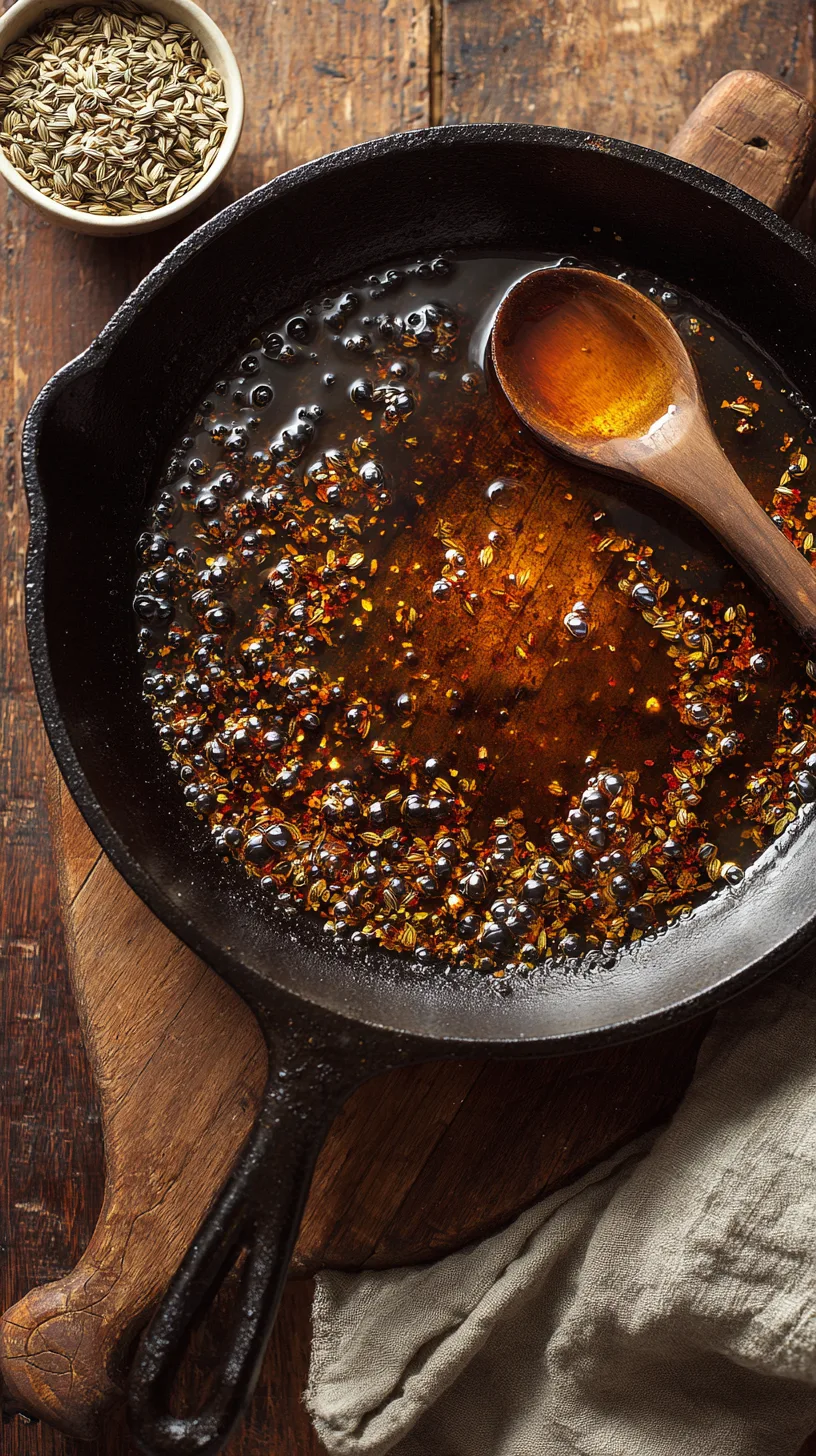
The fennel seeds are the thing I underestimated for years.
Most recipes that include them drop them in with the onion, and the flavor shows up in the background – present but indistinct, like a texture you can’t quite place.
What changes when you add them directly to the hot sausage fat, alone, before anything else enters the pan, is the mechanism of extraction.
Fat is a solvent for the essential oils inside fennel seeds in a way that water and cream are not.
Sixty seconds in hot rendered fat and the seeds release those oils completely, bonding them to the fat that will then coat every subsequent ingredient in the pan.
The fennel stops being a note you might notice and becomes part of the structural flavor of the sauce – rounded, slightly sweet, with a faint anise quality that keeps the richness from getting heavy.
It’s not a flavor you’ll identify in the bowl. It’s what makes the bowl taste complete.
Fennel is doing something here that most spices in that cabinet drawer don’t get the chance to do — if you want to understand why fat-soluble aromatics behave so differently from water-soluble ones, this breakdown on culinary spices covers exactly that distinction and why it matters in a sauce like this one.
Ahh… Tomato Paste
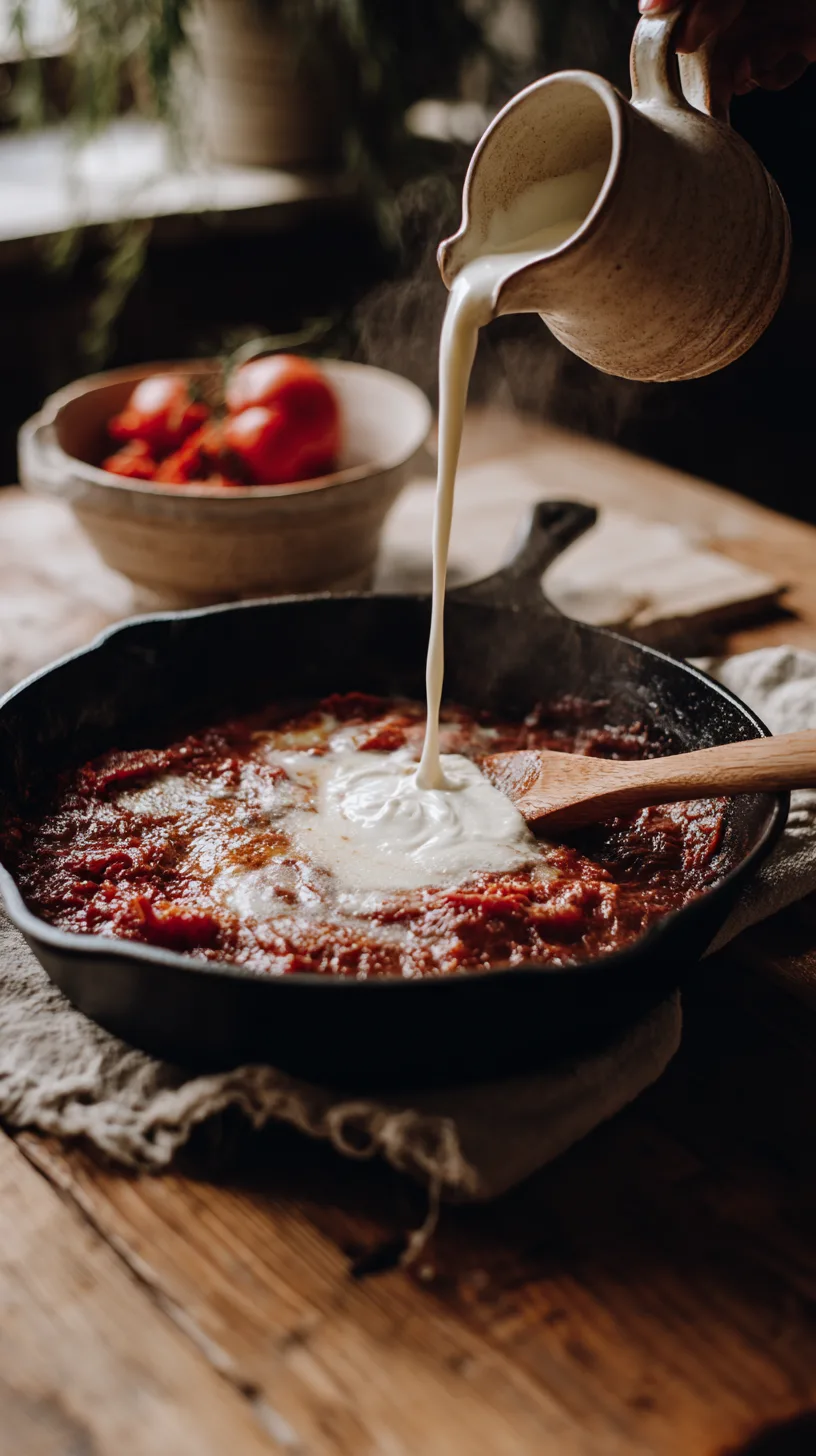
Tomato paste needs heat and time before the liquid arrives.
Two minutes against the bottom of a hot pan, stirring it into the aromatics, darkens the color from bright red to something deeper and slightly brick-toned, and that color shift corresponds to an actual chemical change – the Maillard reaction converting raw tomato esters into more complex, less acidic flavor compounds.
Paste that goes straight into liquid tastes raw and slightly metallic underneath the cream.
Paste that’s been cooked out first tastes built.
The caramelization happening when tomato paste meets a dry hot pan follows the same underlying logic as caramelizing onions — heat converts the sugars, the raw edge disappears, and what’s left behind has a depth that no amount of extra seasoning at the end can replicate.
Heavey Cream
Heavy cream at full fat is non-negotiable. Half-and-half doesn’t reduce to the same viscosity, and the sauce stays loose even after a long simmer.
You need the fat content for the emulsification to hold. Pour the cream in, bring it to a low simmer, and leave it alone for eight to ten minutes.
The sauce is ready when it moves slowly across a tilted pan and coats the back of a spoon without running off immediately.
That’s the texture that clings to rigatoni. Anything thinner and it pools.
Rigatoni
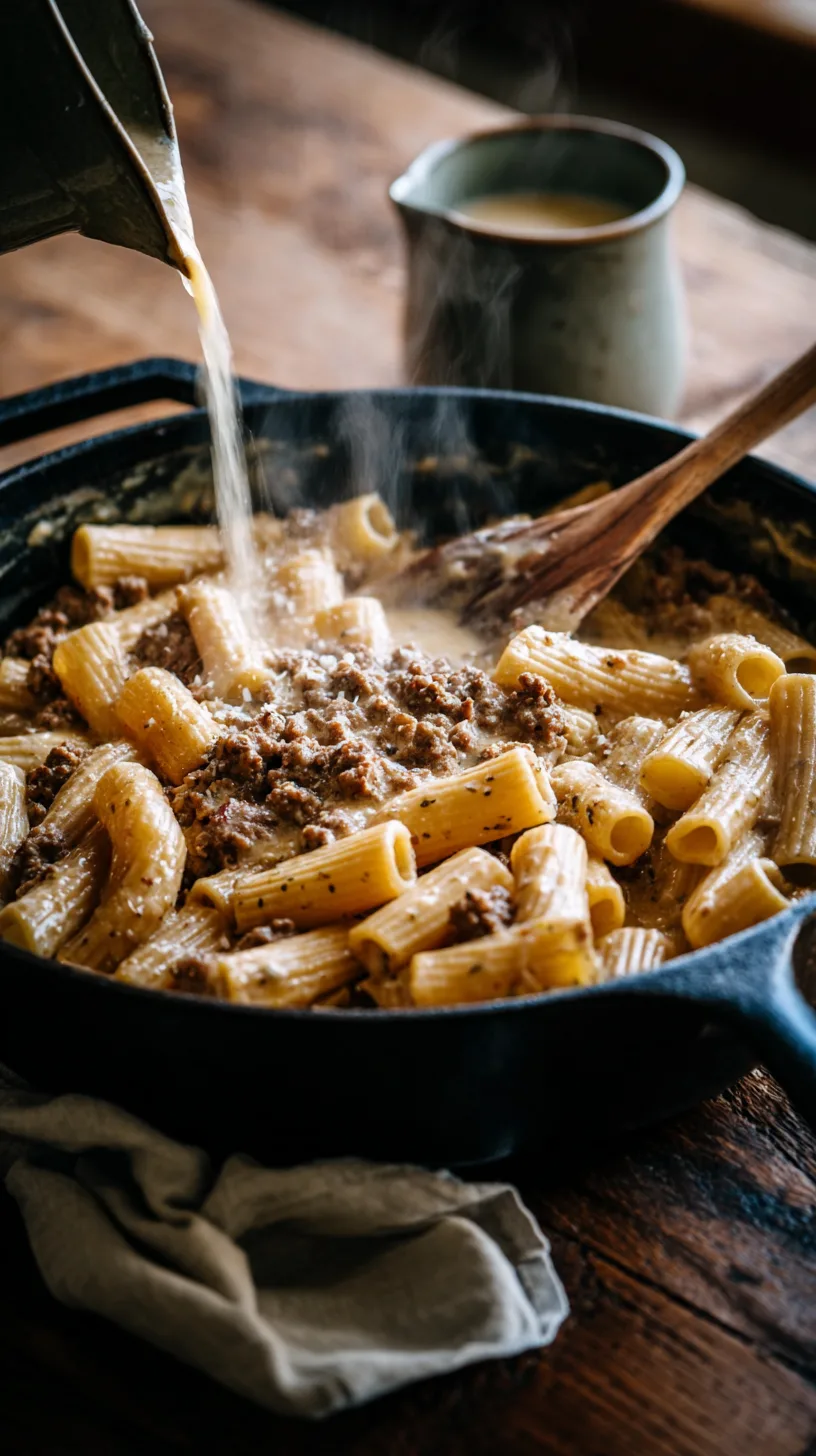
And I do mean Rigatoni specifically – not penne, not ziti, not whatever is open in the pantry.
The ridges on the outside of rigatoni are structural, not decorative.
Sauce collects in them and stays there through plating and into the first few bites.
A smooth pasta of similar size moves differently, and the sauce slides off it before it reaches the table.
Cook the rigatoni two full minutes less than the package says, in water that’s heavily salted – it finishes in the sauce, and it will overcook if it starts at full doneness.
Getting pasta to the right point before it finishes in the sauce depends on water temperature and timing more than most people account for – mastering the boiling method is a more deliberate process than it looks, and small adjustments here have a direct effect on the texture that lands in the bowl.
Parmesan
Grated fresh from a block, goes in off the heat.
Pre-grated Parmesan has anti-caking agents that resist melting and leave the sauce with a slightly grainy, separated texture.
Fresh-grated dissolves cleanly and thickens the cream as it goes, pulling the whole sauce together in the last thirty seconds.
How This Comes Together Without Breaking

If the sauce starts separating at any point – fat pulling away from the cream at the edges – pull the pan immediately and act fast; fixing a broken sauce is straightforward if you catch it before it goes too far, and the pasta water you set aside is the first tool you reach for.
The sausage goes in first, over medium-high heat, and you leave it alone long enough to actually brown – six to eight minutes, breaking it up but not obsessively. Color on the meat means flavor in the pan. When it’s done, pull it out with a slotted spoon and set it aside. Leave the fat.
Turn the heat to medium. Drop the fennel seeds and red pepper flakes directly into the fat and let them bloom for sixty seconds, stirring once. You’ll hear them sizzle softly and smell the kitchen shift. That’s the fat pulling out the oils. Don’t rush it and don’t skip it.
Add the onion into the spiced fat and cook it for six to seven minutes until it softens and the edges start to turn translucent. Add the garlic and cook another full minute. Then push everything to the edges and drop the tomato paste into the center of the pan. Let it sit against the hot surface for sixty seconds undisturbed, then stir it through the onions and garlic and keep it moving for another minute or two until it darkens.
Deglaze with white wine – a quarter cup is enough – and scrape up anything on the bottom of the pan. Let it reduce for ninety seconds, then add the crushed tomatoes and bring it up to a gentle boil. Simmer five minutes. Add the cream and simmer eight to ten minutes more until the sauce thickens and moves slow. Add the sausage back in. Taste and season. Pull the pan off the heat, add the Parmesan, and stir until it melts. Toss the rigatoni in the sauce with a splash of pasta water if it needs loosening, and let it sit for ninety seconds before it goes into bowls.
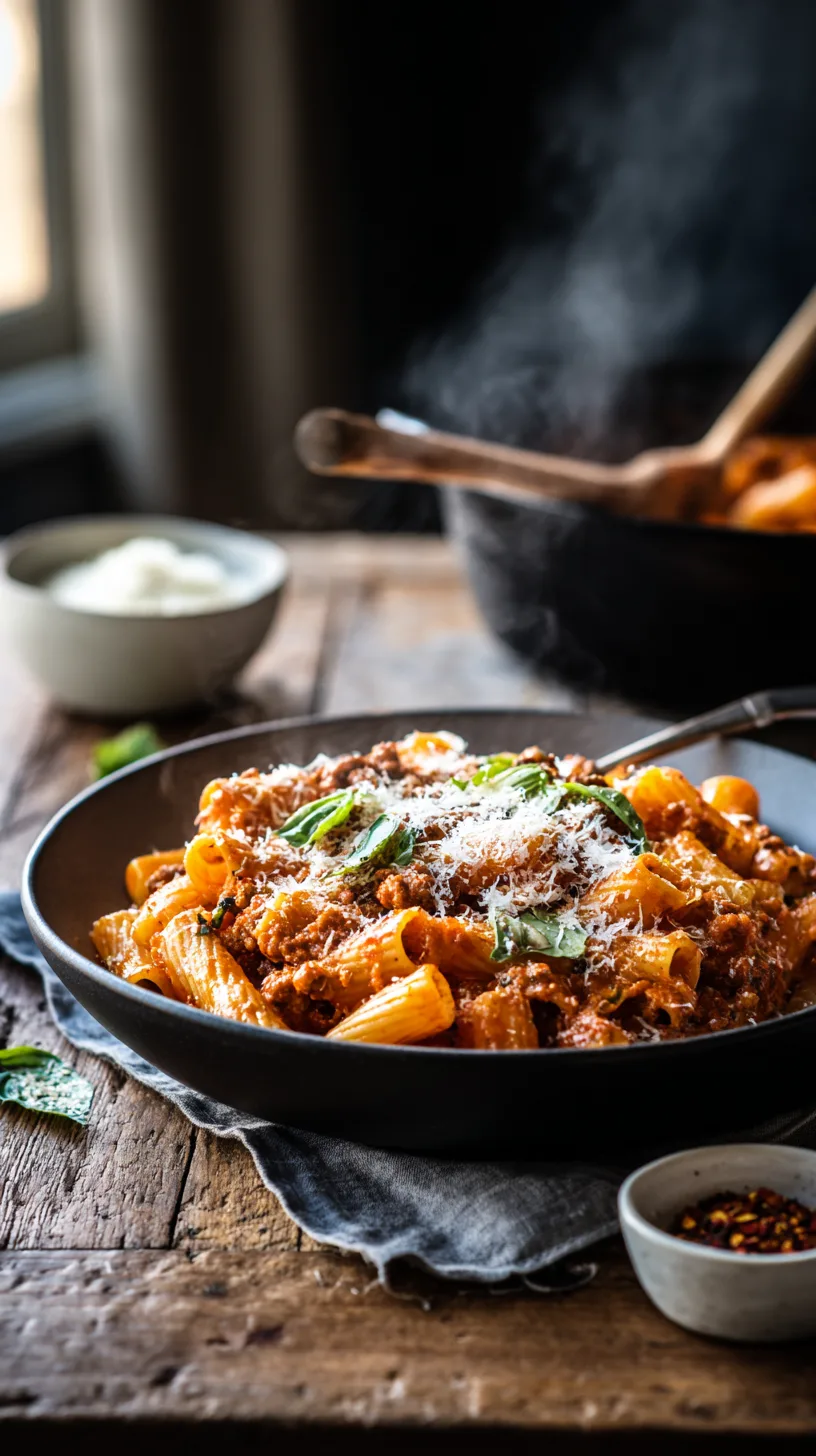
The sauce should collect in the ridges of the rigatoni and stay there – not pooling at the bottom, not running when you tilt the bowl. That’s how you know the emulsification held.
If you’ve never been fully confident about what deglazing actually does to a pan beyond the sizzle, this guide on deglazing is worth a read before you start — the fond lifting off the bottom of the pan in that ninety seconds is real flavor, not a step to rush past.
Scaling It Without Losing It
This recipe doubles cleanly up to eight portions if you use a wide enough pan – twelve inches minimum, fourteen is better.
The problem with scaling cream sauces in a pan that’s too small is that the cream doesn’t reduce evenly; it sits deep and steams from below rather than reducing across the surface.
Wide pan, steady simmer, and you’ll get the same texture at double the volume.
Beyond eight portions, work in batches rather than one enormous pot. Cream sauce at scale in a single vessel has a tendency to break at the edges while the center is still loose.
On the Nutritional Numbers
This is a full meal in a bowl: sausage fat, cream, cheese, pasta.
Around 720 calories per serving, roughly 38 grams of fat, and 31 grams of protein.
It’s not light and it doesn’t pretend to be.
The fat in the sauce is doing structural work – it carries flavor and holds the emulsification together – so cutting it by switching to half-and-half or reduced-fat sausage changes the outcome, not just the nutrition label.
Honest Swaps
No white wine: Use chicken broth. The deglazing function is the same; you lose a little acidity and some depth, but the sauce still works.
Turkey sausage: Leaner, which means less fat in the pan. Add a tablespoon of olive oil after you pull the turkey sausage out so the fennel has enough fat to bloom in. The flavor is lighter but the technique still holds.
Penne rigate: If rigatoni is unavailable, penne with ridges is the closest substitute. Smooth penne won’t hold the sauce the same way.
Fresh tomatoes in season: Two cups of rough-chopped ripe tomatoes in place of crushed – cook them down a little longer before the cream goes in to reduce the extra moisture. The sauce will be slightly brighter and less dense, which isn’t a bad thing.
If you want to see how a creamy tomato sauce performs against a smoother tube pasta before committing to the swap, this penne rosa is a useful side-by-side reference — same sauce logic, different surface area, and you’ll understand immediately why the ridges matter.
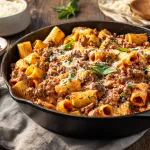
Creamy Italian Sausage Rigatoni
- Prep Time: 10 minutes
- Cook Time: 25 minutes
- Total Time: 35 minutes
- Yield: 4 servings 1x
- Category: Main Course
- Method: Stovetop
- Cuisine: Italian-American
Description
This is the creamy Italian sausage rigatoni that actually holds together. The sauce starts with rendered sausage fat, bloomed fennel seeds, and caramelized tomato paste – a sequence that builds real depth before the cream ever hits the pan. It clings to the rigatoni the way it should: tight, rich, not runny. You can get it on the table in about 35 minutes, and it tastes like something that took longer than that.
EQUIPMENT
Large high-sided skillet or wide Dutch oven (12 to 14 inches) Large pot for pasta Wooden spoon or spatula Colander Measuring cups and spoons Box grater (for Parmesan) Ladle or heatproof measuring cup (for pasta water)
Ingredients
For the Pasta
- 16 oz rigatoni
- 2 tablespoons kosher salt (for the pasta water)
For the Sauce
- 1 lb Italian sausage, casings removed (mild or hot — your call)
- 1 teaspoon fennel seeds
- 1/2 teaspoon red pepper flakes (adjust to your heat preference)
- 1 medium yellow onion, finely diced
- 5 cloves garlic, minced
- 2 tablespoons tomato paste
- 1/4 cup dry white wine (or chicken broth if you’d rather skip the wine)
- 1 can (14 oz) crushed tomatoes
- 3/4 cup heavy cream
- 1/2 cup freshly grated Parmesan cheese, plus more for serving Salt and black pepper to taste
- 1 tablespoon olive oil (only if the sausage runs lean)
For Finishing
- Small handful of fresh basil or flat-leaf parsley, torn or roughly chopped
- Extra Parmesan for the table
- Optional pinch of red pepper flakes over the top
Instructions
- Cook the Pasta: Bring a large pot of water to a boil. Add the kosher salt — the water should taste like the sea. Add the rigatoni and cook it 2 full minutes less than the package directions say. You want it firm, not finished. It will finish in the sauce. Before you drain it, scoop out about 1/2 cup of the pasta water and set it aside. Drain the pasta and leave it in the colander.
- Brown the Sausage: Set your large skillet over medium-high heat. Add the sausage, breaking it up with a wooden spoon as it goes. Let it cook without moving it too much — you want real color on it, not just grey. This takes about 6 to 8 minutes. When it’s well browned and cooked through, pull the sausage out with a slotted spoon and set it aside in a bowl. Leave every bit of fat in the pan. Do not drain it.
- Bloom the Fennel and Heat (The Step That Changes Everything): Turn the heat down to medium. Add the fennel seeds and red pepper flakes directly into the sausage fat. Let them sit in the hot fat for about 60 seconds, stirring once or twice. You’ll hear a soft sizzle and the kitchen will smell like something very good is happening. This is the step that separates this sauce from most — the fat pulls the oils out of the fennel seeds and carries that flavor into everything that comes after it. No other recipe in your search results does this as a deliberate technique, and you’ll taste the difference.
- If your sausage ran lean and the pan looks dry, add the tablespoon of olive oil now.
- Build the Aromatics: Add the diced onion straight into the spiced fat. Cook it over medium heat for about 6 to 7 minutes, stirring occasionally, until it softens and turns a little translucent at the edges. Add the garlic and cook for another full minute until it smells fragrant. Don’t rush either of these steps. The onion and garlic are building the body of the sauce.
- Caramelize the Tomato Paste: Push the onions and garlic to the edges of the pan and drop the tomato paste into the center. Let it sit undisturbed against the hot pan for about 60 seconds, then stir it into everything. Keep it moving for another minute or two. The paste will darken slightly, almost brick-red, and the raw tomato smell will mellow into something deeper and a little sweet. This step builds the flavor foundation before the liquid goes in.
- Deglaze and Add Tomatoes: Pour in the white wine and scrape up anything stuck to the bottom of the pan — that’s flavor. Let the wine reduce for about 90 seconds. Add the crushed tomatoes, stir everything together, and bring it up to a gentle boil. Let it simmer uncovered for about 5 minutes until the sauce reduces slightly and thickens a little.
- Add the Cream and Reduce: Pour in the heavy cream. Stir it in and bring the sauce back to a low simmer. Let it cook for 8 to 10 minutes, stirring occasionally, until the sauce is thick enough to coat the back of a spoon. It should move slow when you tilt the pan. If it’s thickening too fast, add a splash of your reserved pasta water.
- Bring It Together: Add the browned sausage back to the pan and stir it into the sauce. Taste it and season with salt and black pepper. Take the pan off the heat. Add the grated Parmesan and stir it in until it melts completely into the sauce. Add the drained rigatoni and toss it to coat every piece. Let it sit in the pan for about 90 seconds — the ridges will pull the sauce in and it’ll tighten up. If it looks a little thick at this point, add pasta water a tablespoon at a time until it moves the way you want it to.
- Plate and Finish: Spoon it into bowls while it’s still hot. Scatter the fresh basil or parsley over the top. Finish with more Parmesan and a small pinch of red pepper flakes if you want a little heat at the end. Serve immediately.
Notes
Most creamy sausage rigatoni recipes add fennel seeds, if they use them at all, by tossing them in with the onion or the garlic. The flavor shows up, but it stays flat. Blooming the fennel seeds directly in the hot sausage fat — alone, for a full 60 seconds, before anything else enters the pan — pulls the essential oils out of the seeds and bonds them to the fat. That fat then coats every subsequent ingredient: the onion, the garlic, the tomato paste, the cream. The fennel becomes structural rather than incidental. It’s not a flavor you can identify and point to in the bowl. It’s what makes the sauce taste rounded and complete in a way that’s hard to explain until you’ve made it both ways.
Nutrition
- Serving Size: 1
- Calories: Approximately 720 calories per serving
If you’re putting in the oven time anyway, this Italian focaccia holds up against a sauce this rich better than most store-bought loaves will — the open crumb pulls the cream in rather than just sitting alongside it.
Seven Questions Worth Answering
Yes. Make it through the cream reduction, cool it completely, refrigerate up to two days. Reheat it slowly over low heat and finish with Parmesan and pasta when you’re ready.
The pasta, no. The sauce alone, technically yes, but cream sauces separate on thaw and the texture suffers. Better to refrigerate and use within three days.
Take it off the heat immediately and add two tablespoons of pasta water, stirring steadily. The starch helps re-emulsify it. Keep the heat low going forward.
Yes, mostly. They soften slightly but don’t dissolve. If you want the flavor without the texture, toast and grind them before they go into the fat.
Yes – stir it in at the end, off the heat, just before the Parmesan. It wilts in about ninety seconds from the residual heat and doesn’t need to cook longer than that.
Reheat in a skillet over low with a small splash of cream or chicken broth, stirring slowly. Don’t use a microwave – the cream separates unevenly and the pasta gets gummy in spots.
Hot gives the dish a slow, building heat that keeps it interesting across the whole bowl. Mild is cleaner and more approachable. If you’re not sure who you’re feeding, go mild and let the red pepper flakes do the work at the table.
The Final Bite
The sauce is the thing. Get that right – the fat, the fennel, the paste cooked down before the cream ever touches the pan – and the rest follows naturally. Rigatoni like this doesn’t need much else on the table. Bread if you want it. A glass of something red. People who show up hungry.
If this is the kind of cooking you want more of — recipes that explain the why, not just the what — Ryan Yates sends exactly that through the Simply Delicious Digest. I’ve spent 20 years in commercial kitchens as a working executive chef, and the newsletter reads like it. Practical, technique-forward, and worth keeping.
Worth a look after dinner.
If you’re drawn to pasta dishes that build flavor ahead of time and reward patience in the sauce, this short rib ragù with pappardelle uses the same make-ahead sauce logic and is worth having alongside this one in the regular rotation — different pasta, different protein, same underlying discipline.
Disclosure: Every recipe here is developed and tested by Ryan Yates, a Le Cordon Bleu-trained chef with more than 20 years in professional kitchens. Editorial tools help with formatting and structure. This post may contain affiliate links — if you buy through one we may earn a small commission, at no extra cost to you.