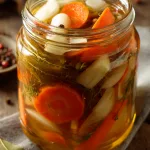
Escabeche Recipe That Actually Belongs Next to a Taco
Most escabeche tastes like straight vinegar and regret.
You’ve had it. Thin carrots floating in harsh brine. Jalapeños that burn without structure. Garlic that never quite wakes up. The jar sits in the back of the fridge until someone throws it out three weeks later.
Escabeche shouldn’t taste like that.
It should be sharp but layered. Jalapeños giving clean, decisive heat. Carrots holding their snap but yielding at the center. A brine that moves lightly across the tongue instead of scraping it.
I didn’t respect escabeche at first. It felt like filler. Something scooped onto a plate because it was there.
Then I paid attention.
Not casually. I mean actually stood at the stove for five undistracted minutes while the vegetables softened and the vinegar rolled just under a simmer. That was the shift.
That’s when it started tasting like it belonged.
If you’re the kind of cook who likes to browse before committing, the full Simply Cooking Recipes archive is where I keep the rest of my weeknight staples and repeatable basics.
What Escabeche Actually Is
Escabeche, in the Mexican sense, is pickled jalapeños and vegetables sitting in a warm vinegar bath with bay, oregano, peppercorns, and usually garlic that has just begun to turn sweet at the edges.
The word travels. In Spain, it means seafood cured in vinegar and oil. In the Philippines, it leans sweet and sour over fried fish. But here, the version most people are looking for when they search escabeche recipe is the taquería jar. The one with cloudy brine and softened carrots.
That jar has rules.
Vinegar must be assertive but not aggressive. Vegetables must stay structured. The brine needs aromatics that whisper in the background, not dominate.
It’s restraint more than anything.
The Vegetables Matter More Than the Brine

Jalapeños first.
Pick them up. They should feel dense in your hand, tight-skinned, not wrinkled. When you slice them, the flesh should give slight resistance before the blade passes through. If they’re soft, they’re tired.
Heat lives in the ribs and seeds. Leave them in unless you’re cooking for someone who panics at spice. Clean heat from intact jalapeños is different than flat heat from overcooked ones. It’s brighter. Shorter. Cleaner.
Carrots are structure.
Cut them thin enough to bend but thick enough to push back when you bite. If you slice them paper-thin, they disappear into the brine. Too thick and they stay raw in the center. I’ve made both mistakes.
Onions add body. White onion works best because it softens without going sweet too quickly. Red onion stains the brine and shifts the flavor toward sharpness.
Garlic is subtle here. Smash it lightly so it releases aroma without shredding. Shredded garlic clouds the brine and turns bitter fast.
And then there’s cauliflower.
Optional, technically. But it absorbs brine in a way carrots don’t. The florets hold vinegar in their tiny crevices and release it slowly when you bite down. That makes the second chew sharper than the first.
That’s a good thing.
When you’re deciding whether to stay with jalapeños or lean smokier, my walkthrough on how to roast poblano peppers helps you understand what heat does once it’s warmed and softened.
The Brine Isn’t Just Vinegar and Water
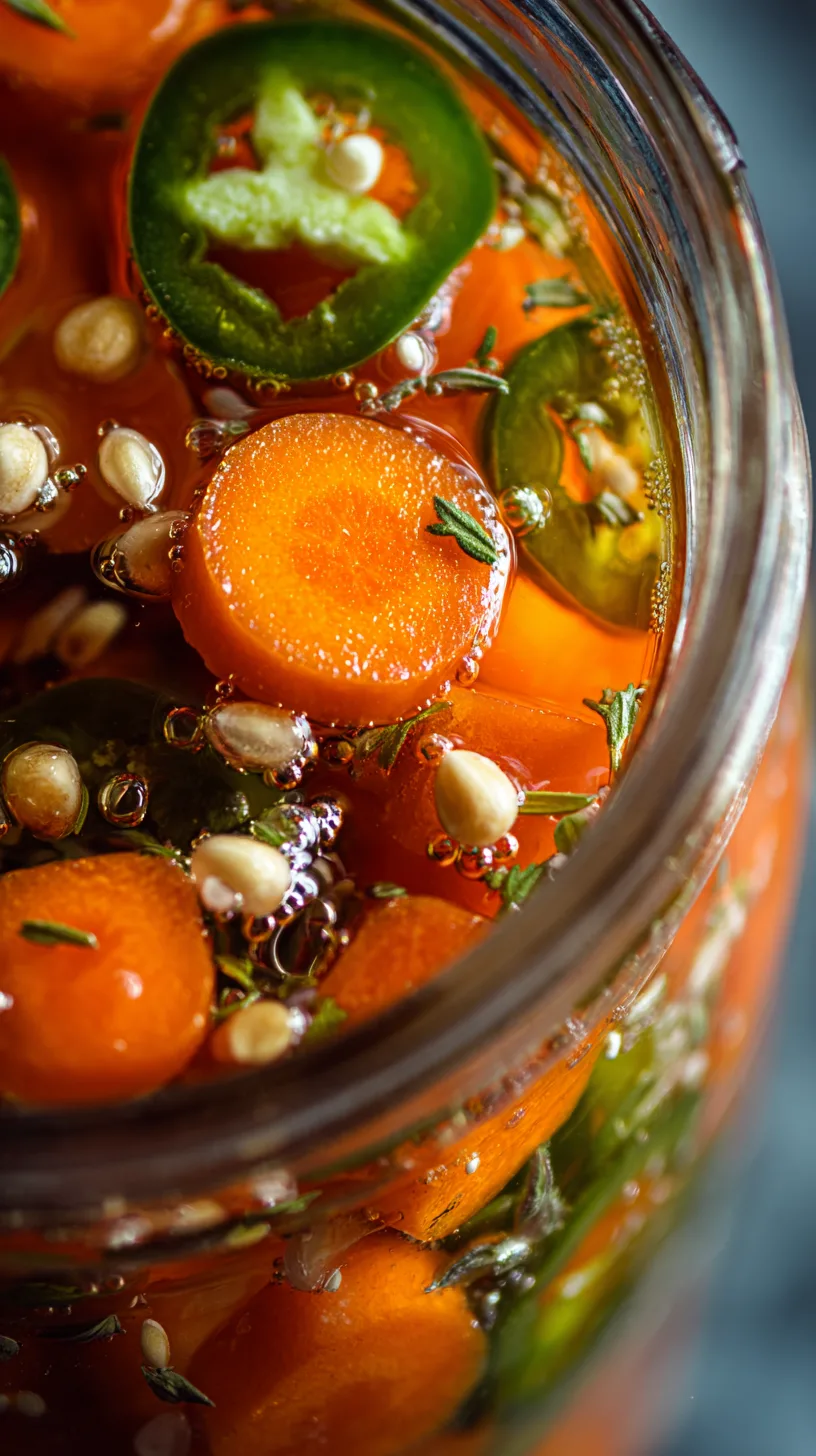
If your escabeche tastes like cleaning solution, the ratio is off.
Distilled white vinegar brings clarity. Apple cider vinegar rounds it out. Water softens the edge. Salt carries the acidity forward. A small spoon of sugar doesn’t sweeten it, it frames the acid so it doesn’t punch straight through.
And then there’s the orange juice.
Just a little. Not enough to turn it citrusy. Not enough to read as sweet. But enough that the sharpness lands and then lifts instead of dragging.
When warmed, that citrus note opens up the oregano and cumin in the background. It doesn’t taste like orange. It tastes balanced.
That’s the difference.
Bay leaf, whole peppercorns, dried Mexican oregano. These aren’t decoration. When heated in vinegar, they bloom. Oregano reads dusty when dry. In hot vinegar, it smells almost floral.
Cumin seeds should be whole. Ground cumin muddies the brine. Whole seeds warm and release aroma slowly, staying distinct instead of dissolving.
You’ll smell it when it’s right. The vinegar sharpness relaxes slightly. The spices round it out. It becomes layered instead of loud.
Heat and Timing Are Quiet but Crucial
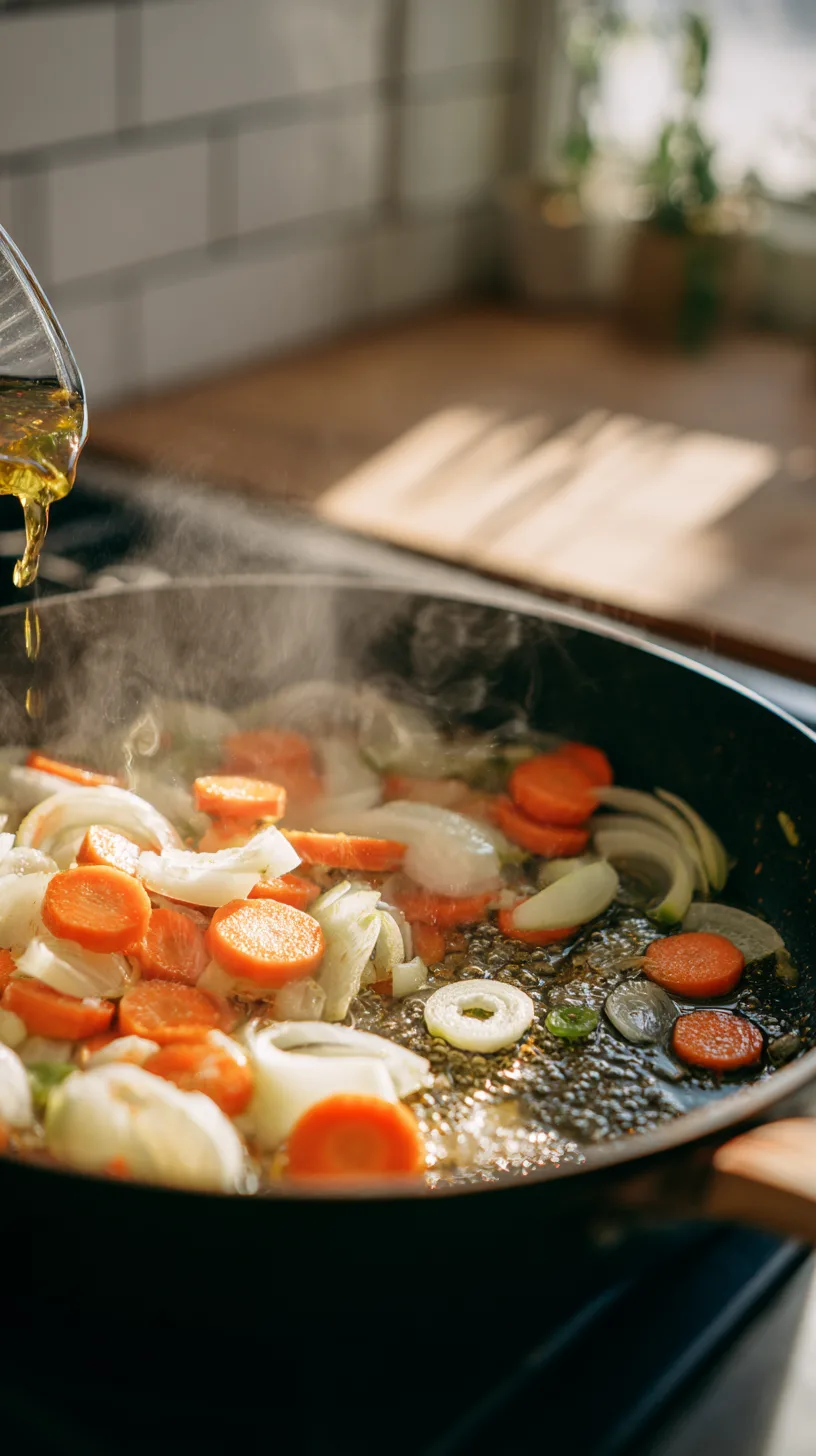
You don’t need a hard boil. In fact, don’t.
Bring the brine to a gentle simmer. Small bubbles at the edge. That’s enough. Rolling boil drives off aroma and makes the vegetables limp.
If you sauté the vegetables briefly before adding the brine, just a few minutes in neutral oil, they soften at the surface while staying firm at the core. That small step builds depth.
Skip the sauté and pour hot brine over raw vegetables, and you’ll get a sharper crunch. Cleaner lines. Less depth.
Neither is wrong. They’re different textures.
The key is attention.
This means standing there. Not checking your phone. Not stepping away. Watch the jalapeños change from bright green to slightly muted. Watch the carrots glisten and relax just enough. When they begin to bend without collapsing, you’re done.
If you keep cooking because you think softer equals better, you’ll overshoot. The brine continues working after heat stops. Vegetables retain heat and continue softening in the jar. Cause and effect.
Stay with it.
The escabeche brine should simmer gently, not boil hard, and if you want a clear benchmark for that kind of control, my guide to the sauté cooking method breaks down what you’re looking for in the pan.
What Happens After It Sits
Fresh escabeche is sharp. Almost aggressive.
After 24 hours in the refrigerator, something changes. The brine seeps into the center of each carrot slice. Jalapeños mellow slightly but keep their heat. Garlic softens and loses its raw bite.
The whole jar gets firmer in structure but rounder in flavor.
By day three, it’s better than day one.
By week two, it’s deeper but slightly softer.
That’s the arc.
Scaling It Without Ruining It
At home, a quart jar is manageable. Heat disperses quickly. Vegetables cool evenly.
When you double or triple it, retained heat becomes an issue. Large batches hold temperature longer, which means vegetables continue cooking even off the flame. Carrots get softer. Jalapeños lose some bite.
If you scale up, spread the vegetables out on sheet pans for a few minutes before jarring. Let the surface heat dissipate. Then pack them.
It sounds small. It isn’t.
Under time pressure, people skip that. And the texture shifts.
I’ve made that mistake.
If you’re doubling this for a cookout, the part that gets people is retained heat and carryover softening, so I’d skim how to double a recipe before you scale the batch.
Where It Lives on the Plate
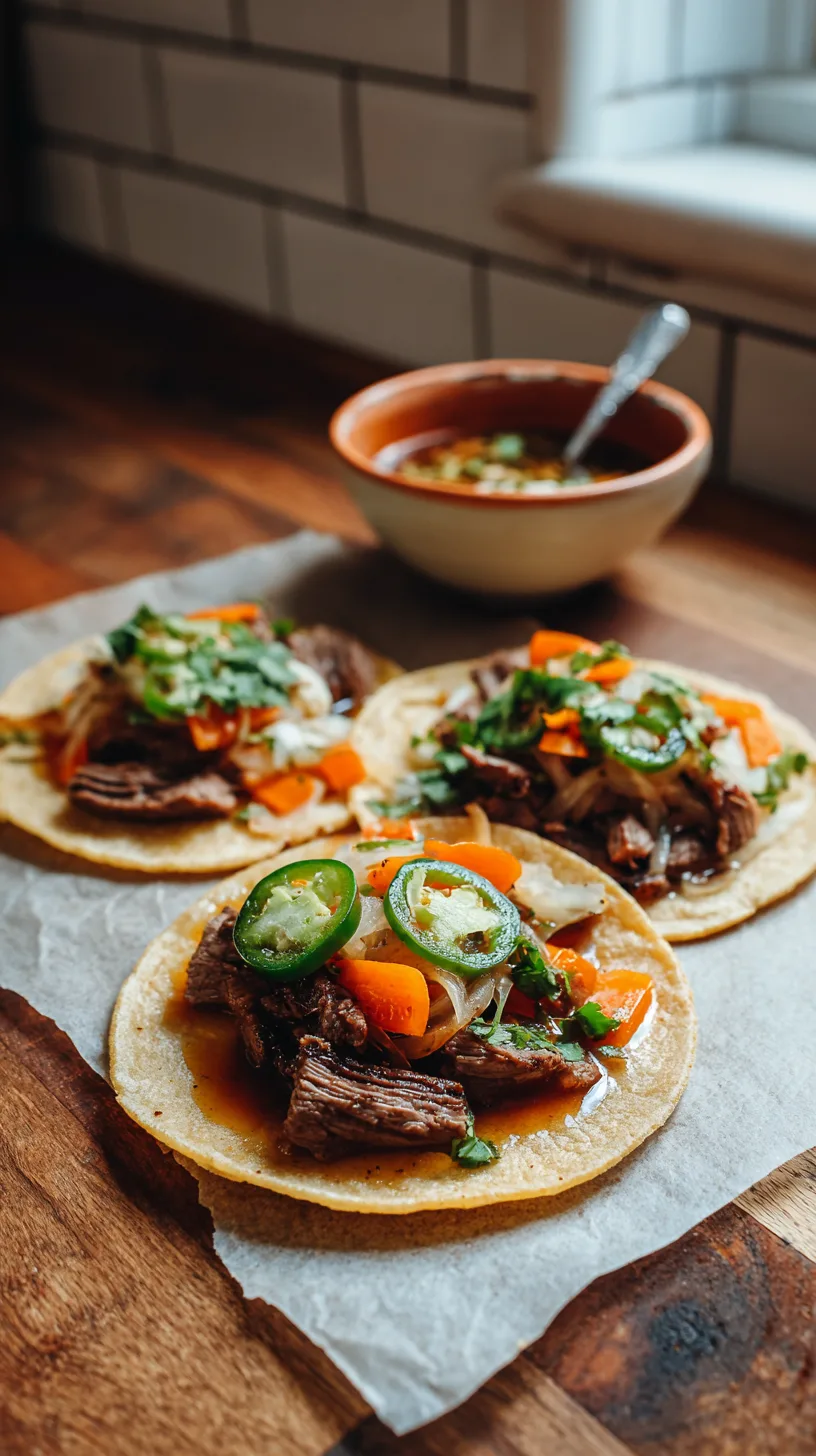
Escabeche belongs next to grilled meat. Carne asada, chicken thighs, even a simple burger.
The vinegar cuts fat. Jalapeño heat resets the palate. Carrot sweetness lingers slightly before the next bite.
On tacos, it shouldn’t dominate. Two or three slices. Enough to punctuate, not drown.
Chop it fine and fold into scrambled eggs. The brine tightens the eggs slightly and adds lift.
Slide a few pieces into a torta and the bread absorbs just enough acidity to balance the meat.
It’s a condiment, not a centerpiece. Treat it like one.
Escabeche earns its keep next to grilled beef, and it’s especially clean alongside my carne asada marinade when you want that vinegar bite to cut through the fat. If you end up chopping a spoonful into eggs the next morning, it plays great with the base flavors in my huevos rancheros recipe without taking over the plate.
Nutritional Reality
It’s vegetables in vinegar with a little sugar and salt.
No, it’s not a superfood. Yes, it’s bright and acidic. It wakes up heavy food and encourages smaller bites because the heat demands attention.
That’s enough.
Ingredient Swaps That Make Sense
Serranos instead of jalapeños will increase heat and shorten the burn. Serranos read sharper, more pointed. Use fewer.
Red onion instead of white adds color and more sulfur edge. It tastes sharper.
Rice vinegar instead of cider will lighten the brine and soften the acidity. It shifts the profile away from traditional Mexican flavor.
Skip the orange juice and the brine reads leaner and more direct. Still good. Just less rounded.
Ground spices instead of whole will cloud the brine and flatten the aroma over time. I don’t recommend it.
For a different kind of heat that still reads clean, you can keep the escabeche classic and bring the spice elsewhere, like my Mexican chili oil (salsa macha) when you want something deeper and nuttier on the side.
Coastal California Notes
In Santa Cruz, citrus sits heavy on the tree in winter. The orange juice in this version started as a way to use what was on the counter. It stayed because it softened the brine without making it sweet.
Bay Area kitchens lean toward balance. Too much vinegar reads lazy. Too much sugar reads unsure.
The orange brings restraint.
It’s subtle. Most people won’t know why this jar tastes slightly more complete.
They’ll just reach for it again.
If you like the subtle citrus lift in this escabeche, you’ll probably also keep a jar of marinated olives with citrus around for the same reason, brightness that doesn’t turn sweet.
Homemade Escabeche Recipe
Print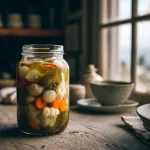
Escabeche Recipe (Mexican Pickled Jalapeños and Vegetables, Taquería-Style)
- Prep Time: 15 minutes
- Resting Time: 24 Hours
- Cook Time: 15 minutes
- Total Time: 30 minutes active, 24 hours rest
- Yield: About 4 cups 1x
- Category: Condiment, Side Dish
- Method: Stovetop
- Cuisine: Mexican
Description
This escabeche recipe follows the classic Mexican taquería method: jalapeños, carrots, onions, and garlic lightly sautéed, then steeped in a warm vinegar brine with bay leaf, oregano, and whole spices. It’s sharp and bright, but rounded. The vegetables keep their bite, the brine settles into balance after a day, and the whole jar tastes like it belongs next to tacos, grilled meats, and eggs. A small splash of fresh orange juice in the brine gives this version a gentle citrus lift that makes it stand out without drifting from tradition.
Ingredients
Vegetables
- 8 fresh jalapeños, sliced into 1/4-inch rounds
- 2 medium carrots, peeled and sliced into thin coins
- 1 small white onion, sliced into thick strips
- 1/2 small head cauliflower, cut into small florets (optional but traditional in many taquerías)
- 4 cloves garlic, peeled and lightly smashed
Brine
- 1 cup distilled white vinegar
- 1 cup apple cider vinegar
- 1 cup water
- 1/4 cup fresh orange juice (the subtle original touch)
- 1 1/2 teaspoons kosher salt
- 2 teaspoons sugar (or grated piloncillo)
- 2 bay leaves
- 1 teaspoon dried Mexican oregano
- 1 teaspoon whole black peppercorns
- 1/2 teaspoon whole cumin seeds
- 1 tablespoon neutral oil (avocado or canola)
Instructions
- Warm the oil in a large sauté pan over medium heat. Add the carrots and onion first and cook for 2 to 3 minutes. You’re not browning them. You’re just taking the raw edge off so the brine can settle in properly.
- Add the jalapeños, cauliflower, and garlic. Stir and cook for another 2 to 3 minutes. The jalapeños will turn slightly dull in color and release their aroma. Keep them firm. That bite matters.
- In the same pan, add the white vinegar, apple cider vinegar, water, and fresh orange juice. Stir in the salt and sugar until dissolved.
- Add the bay leaves, oregano, peppercorns, and cumin seeds. Bring the mixture to a gentle simmer. Let it cook for 5 minutes. The brine should smell sharp but layered, not harsh.
- Remove from heat. Let everything cool in the pan for about 10 minutes so the vegetables finish softening gently without going limp.
- Transfer the vegetables and brine to a clean glass jar. Make sure the vegetables are fully submerged. Press them down lightly if needed.
- Seal and refrigerate. The escabeche is good after a few hours, but it becomes balanced and cohesive after 24 hours. That’s when it tastes like it belongs on a taco.
Notes
Serving Suggestions
Spoon over carne asada tacos.
Lay a few slices inside a torta with roasted pork.
Chop and fold into scrambled eggs.
Serve alongside grilled chicken or fish.
Add to a bowl of beans and rice for brightness.
Flavor Profile
Bright and acidic from the vinegar.
Clean heat from the jalapeños.
Gentle sweetness rounding the sharp edges.
Cumin and oregano in the background.
A soft citrus finish from the orange juice that lifts the whole jar without turning it into something sweet.
Storage
Store refrigerated in a sealed jar for up to 3 weeks.
Flavor continues to develop during the first 3 to 5 days.
Always keep vegetables submerged in brine for best preservation.
Notes
The slight addition of fresh orange juice is what sets this version apart. Traditional escabeche relies entirely on vinegar for acidity. The orange juice does not make it sweet. It softens the sharpness and adds a light citrus note that complements grilled meats beautifully. It’s subtle. Most people won’t identify it immediately. They’ll just notice the balance feels more complete.
If you prefer a crunchier escabeche, reduce the sauté time by half and pour the hot brine over raw vegetables instead. That method keeps the vegetables firmer and sharper.
For deeper spice flavor, lightly toast the cumin seeds and peppercorns in the dry pan for 30 seconds before adding oil. That small step makes the brine feel more layered.
Adjust heat by mixing jalapeños with serranos for more intensity.
Food Safety
This recipe is designed as a refrigerator pickle, not a shelf-stable canned product. Keep refrigerated at all times. If the brine becomes cloudy with off aromas, discard.
Nutrition
- Serving Size: 1/4 cup
- Calories: 35
- Sugar: 3g
- Sodium: 180mg
- Carbohydrates: 6g
- Fiber: 1g
- Protein: 1g
Common Questions About Escabeche
Not this version. It’s a refrigerator pickle.
About three weeks refrigerated, fully submerged.
Shredded garlic or ground spices will cloud it. It’s usually harmless but changes texture.
Remove seeds and ribs from jalapeños, or use fewer.
No. Sautéing adds depth. Raw-pack keeps more crunch.
Sugar frames acidity so vinegar doesn’t dominate.
No. It’s restrained and balanced. It lifts the brine without sweetening it.
If you’re eyeballing vinegar and water and wondering why one batch tastes harsher than the next, this simple refresher on how to measure liquids makes the ratios easier to hit consistently.
The Final Bite
Escabeche isn’t loud. It doesn’t beg for attention. It sits in the jar, doing quiet work, softening, settling, getting sharper in the right places and rounder in others.
Give it a day. Spoon it cold over something hot. Let the vinegar cut through the fat and the jalapeño heat clear the palate. That contrast is the point.
If this kind of cooking, steady, balanced, built on small adjustments that matter, is how you like to work, you’ll fit right in with the notes I send out each week.
You can join the Simply Delicious Newsletter by Savore Media here: Simply Delicious Digest.
I write it the same way I cook. Direct. Useful. No filler.
Now close the jar. Slide it into the fridge. Let time finish the job.
Disclosure: Every recipe here is developed and tested by Ryan Yates, a Le Cordon Bleu-trained chef with more than 20 years in professional kitchens. Editorial tools help with formatting and structure. This post may contain affiliate links — if you buy through one we may earn a small commission, at no extra cost to you.