Crispy roasted cauliflower with tahini and lemon that actually earns the word crispy
Cauliflower lies to people.
They roast it. They follow the timing. They pull it out thinking it’s going to shatter at the edges. Then they bite in and it’s soft. Steamed. Maybe a little browned, but not crisp.
So they crank the heat higher next time. Or they drown it in sauce and pretend texture doesn’t matter.
I’ve done that. I’ve over-sauced vegetables to cover disappointment. It doesn’t fix it.
Crispy roasted cauliflower with tahini and lemon should have contrast. Crunch at the edges. Tender center. Sauce that coats but doesn’t suffocate. When it’s right, it’s one of those dishes that empties the pan before anyone touches the meat.
It surprised me how much I ended up respecting it.
If you’re hunting for that deep brown edge without guesswork, my roasting techniques guide breaks down why spacing and heat matter more than extra time.
The surprise of a vegetable stealing the table

I didn’t expect cauliflower to become something I cared about.
It was garnish. Side filler. Something to bulk out a platter. I treated it like that for years.
Then one night, I roasted it hard. Didn’t crowd it. Let it sit longer than felt comfortable. Tossed it with tahini and lemon and salt that hit just right.
People ignored the protein.
That got my attention.
Cauliflower isn’t flashy. It doesn’t scream. But give it heat and time and it turns nutty. Sweet at the edges. Almost popcorn-like in aroma. That’s when you start respecting it.
Cauliflower in the hand
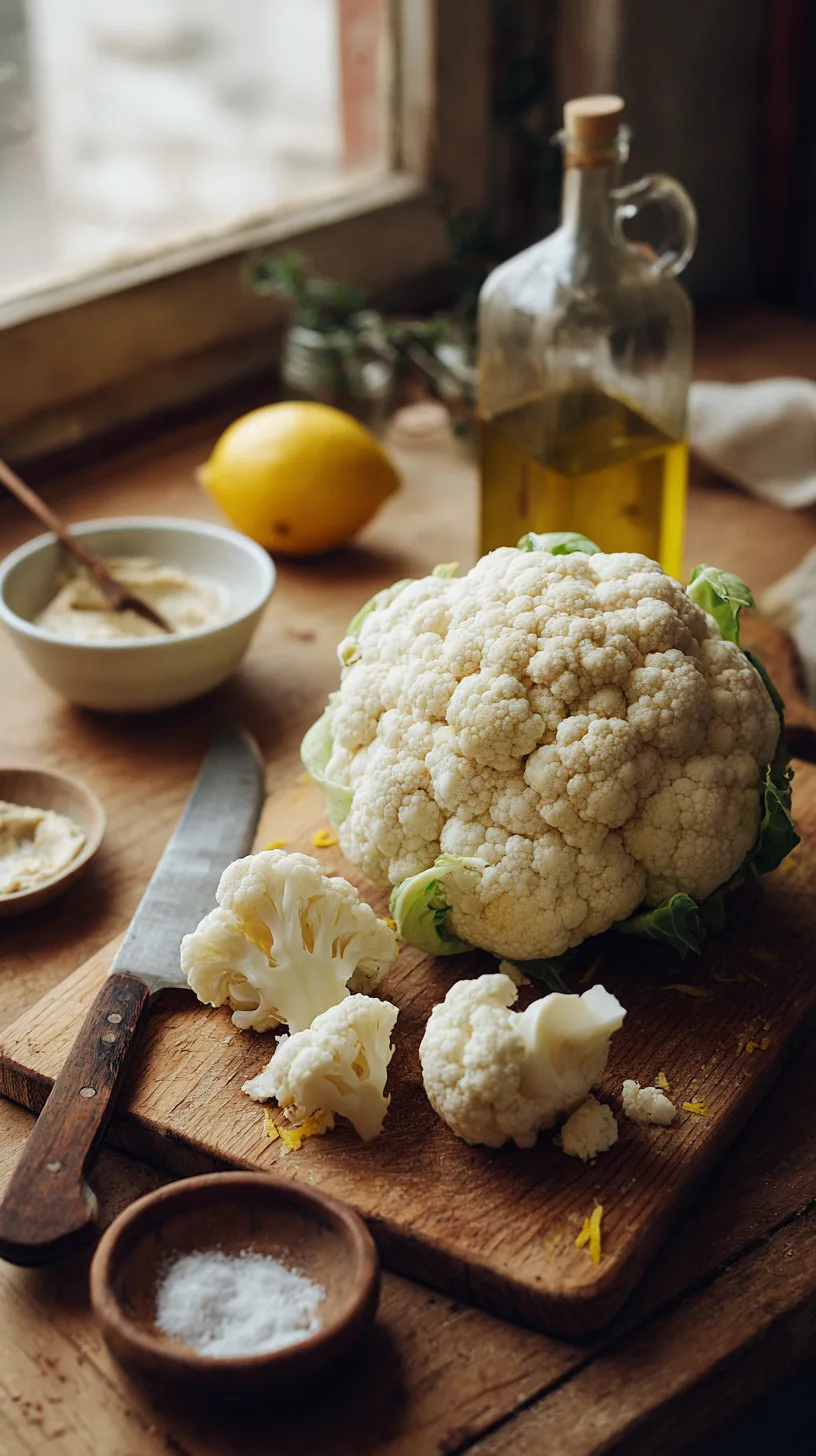
Pick it up before you cut it.
It should feel heavy for its size. Tight florets. No soft brown spots hiding underneath. The leaves should be crisp, not limp. If it feels light, it’s old. It’ll roast dry and sad.
When you cut into it, listen. There’s a clean snap when it’s fresh. Dense white interior. Slightly grassy smell. Not sulfur. If it smells strong before cooking, skip it.
I’ve learned that the size of your florets matters more than people think. Too small and they burn before the center softens. Too big and the outside browns while the core stays firm. Somewhere in the middle. About two bites each. That’s the sweet spot.
You want edges. Edges are where the crisp lives.
If your tahini sauce keeps turning weirdly thick or loose, a quick pass through essential sauce terms helps you nail the texture without overthinking it.
The oil question nobody asks correctly
You need more oil than you think.
Not swimming. But enough to coat every surface. Dry cauliflower steams. Oiled cauliflower roasts.
I’ve watched cooks under-season and under-oil vegetables because they’re scared of fat. Then they blame the vegetable.
Don’t blame the vegetable.
Olive oil gives you fruitiness and helps carry the spice. Neutral oil works too if you want less flavor interference. I’ve used both. The key is coverage. Rub it in. Use your hands if you have to. Feel it.
It should look lightly glossy, not wet.
Heat is not the enemy
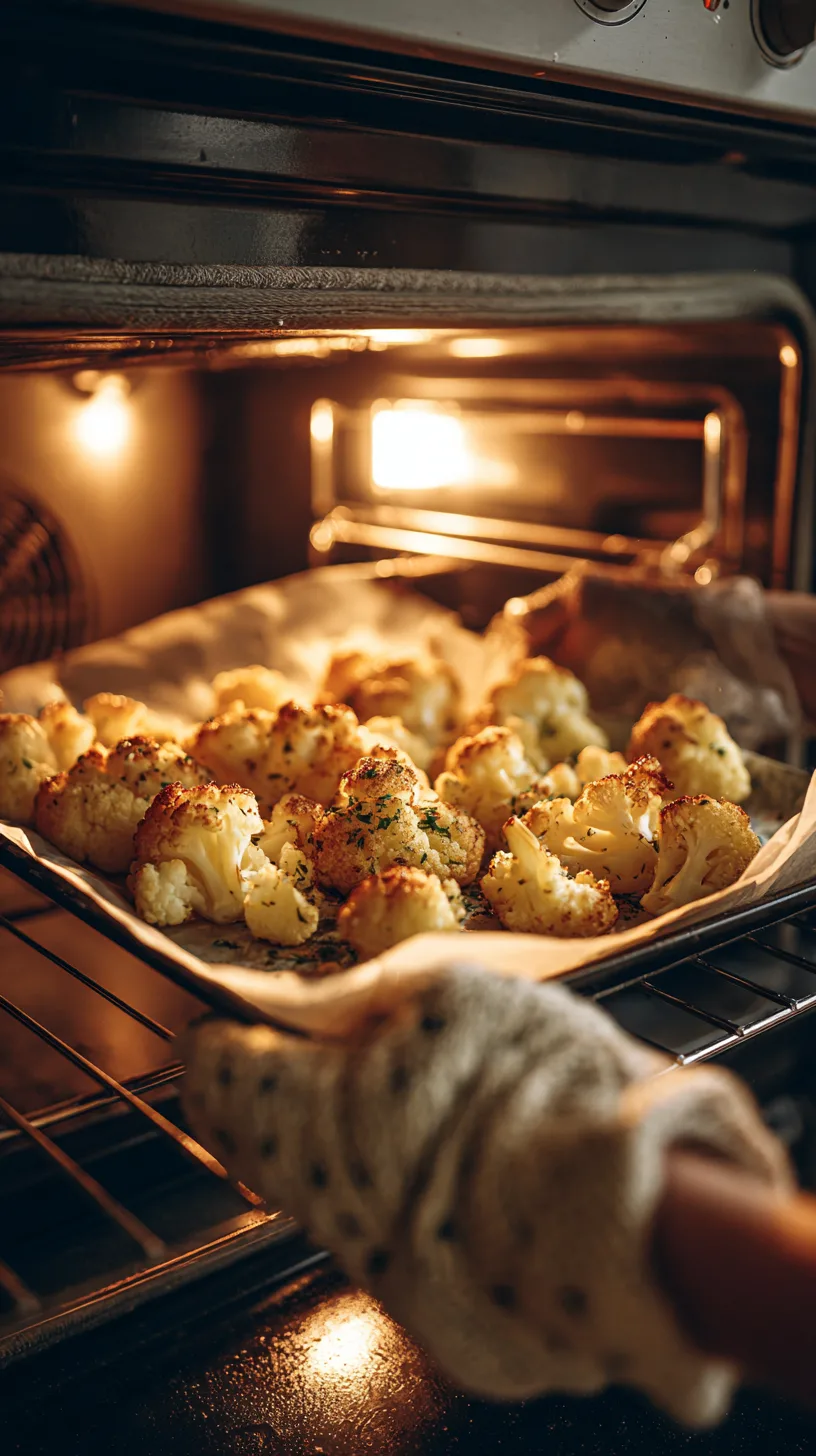
425°F is comfortable. 450°F if you trust your oven. Higher if you know its hot spots.
The mistake is touching it too soon.
Let the cauliflower sit undisturbed for at least fifteen minutes. Don’t shake the pan. Don’t flip it early. Browning takes patience. You want deep caramelization on one side before you disturb it.
The smell changes when it’s working. It goes from raw vegetable to something toasted and almost sweet. That’s when you check it.
Flip once. Let the other side catch up.
If it’s pale, it’s not done. Pale is polite. We’re not here for polite.
When cauliflower comes out soft, it’s usually acting like it’s being steamed, not roasted, and my steaming cooking method guide shows the exact kind of moisture trap you’re trying to avoid on a sheet pan.
The tahini that makes or breaks it
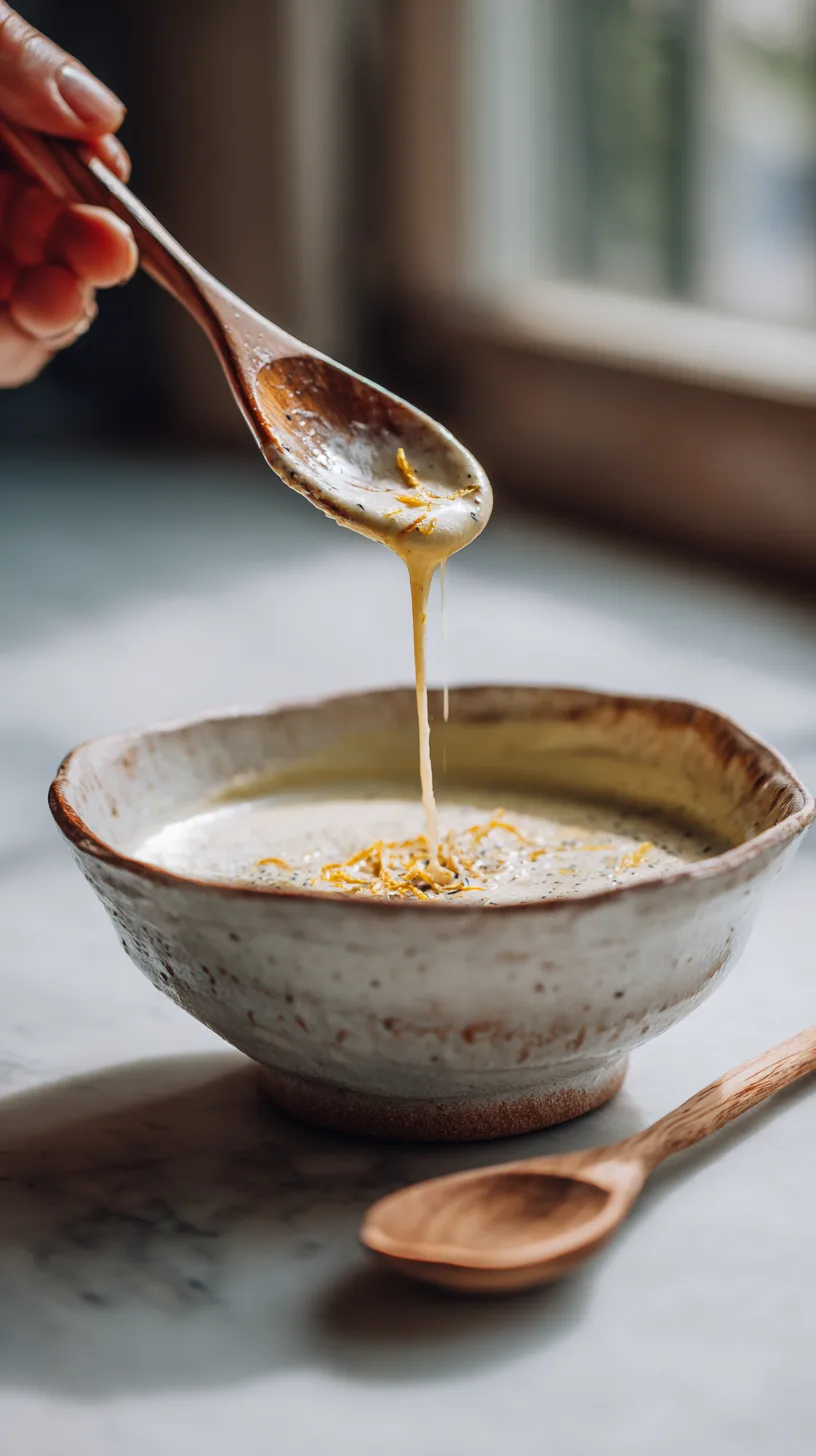
Tahini is tricky.
Some jars are thick and bitter. Some are silky and nutty. Stir it before you judge it. Oil separates. That’s normal.
Good tahini smells like toasted sesame seeds and warm bread. It should pour slowly, not clump.
When you whisk in lemon, it tightens. Almost seizes. That’s fine. Add water slowly. It loosens back up. Turns pale. Creamy. Smooth.
Lemon matters. Fresh only. The zest brings fragrance that juice alone can’t.
I’ve tried bottled lemon juice. It flattens everything. Use the real thing.
Lemon is not garnish here
Lemon is structure.
It cuts the richness of the tahini. It sharpens the sweetness that roasting pulls from the cauliflower. It keeps the whole thing from feeling heavy.
I taste the sauce three times.
Once after lemon.
Once after salt.
Once after resting for a minute.
Flavors settle. Don’t rush that.
The moment it clicks
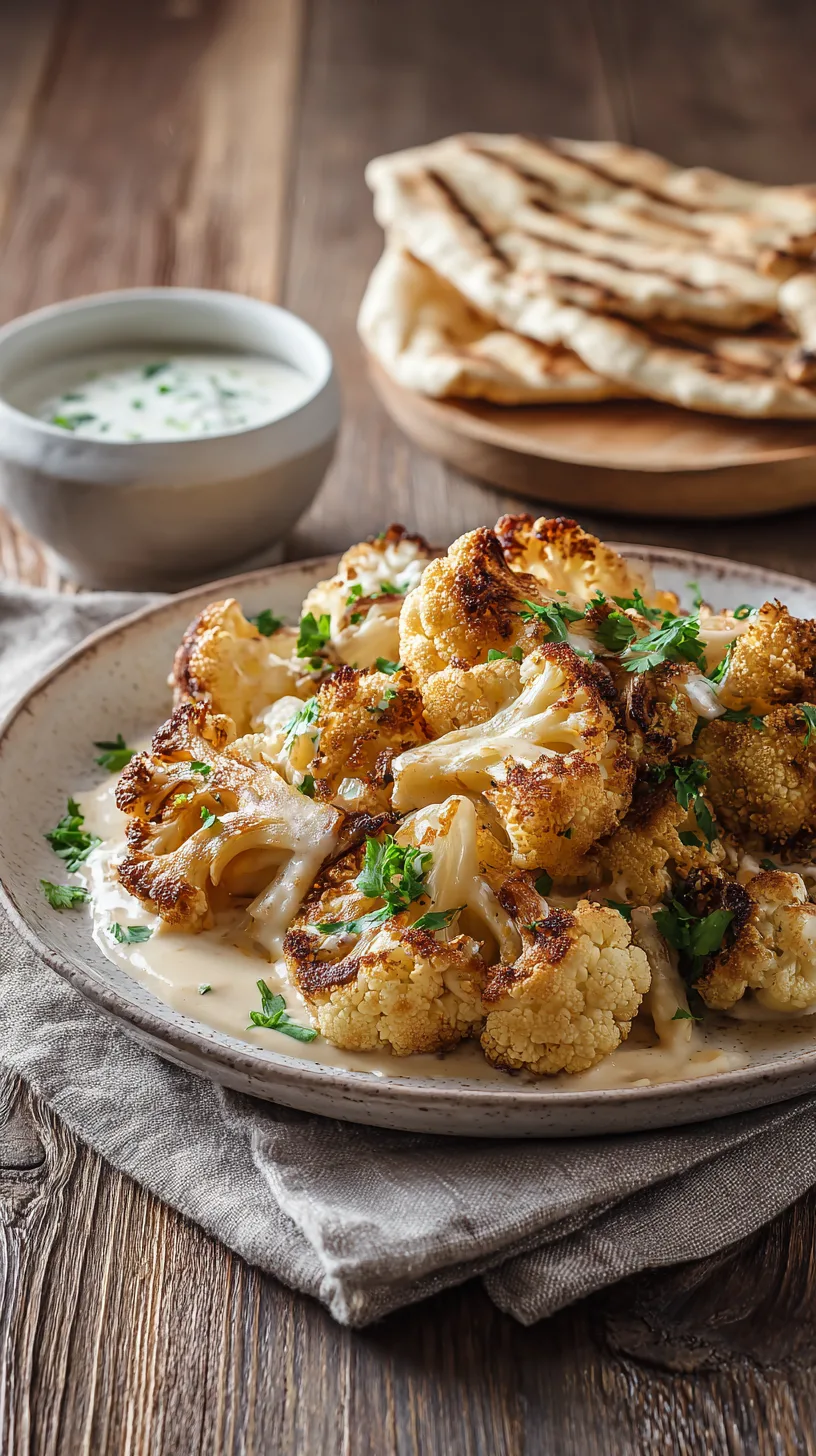
The first time I served this as more than a side, I expected polite interest.
Instead, people leaned over the platter. They scooped the crisp edges first. They dragged bread through the sauce left behind.
It surprised me.
There’s something about vegetables that carry depth and texture without needing meat beside them. This dish proved that to me. It doesn’t try to be something else. It just roasts hard and finishes clean.
Cooking this at home versus feeding a crowd
At home, one sheet pan works. Spread it out. Give it space.
For a crowd, you need multiple pans. Don’t stack. Don’t overlap. Rotate them halfway if your oven runs uneven. Most do.
Under time pressure, roast ahead but don’t sauce until serving. Sauce softens crisp edges. That’s just reality. If you need to hold it warm, keep the sauce separate and spoon at the last second.
Leftovers reheat better in a hot oven than a microwave. Five to eight minutes at high heat will bring some texture back. Not all. Some things are meant to be eaten fresh. That’s fine.
If you’re doubling trays for a crowd, bookmark how to double a recipe so your seasoning stays balanced and your pans don’t end up packed like a sardine can.
Nutrition without pretending it’s a cleanse
It’s cauliflower. Yes, it’s a vegetable.
There’s tahini. There’s oil. There’s salt.
It’s not health food theater. It’s roasted produce with fat and acid balanced properly. Eat it next to grilled chicken. Or don’t.
Vegetables deserve flavor. That’s it.
Swaps I’ve actually tested
No tahini? Almond butter works in a pinch. It’s sweeter. Less earthy. The sauce will taste different but still good.
No lemon? White wine vinegar can step in, but it’s sharper. Use less.
Want heat? Aleppo pepper or red pepper flakes bring warmth without overwhelming the sesame.
Want crunch? Toasted almonds or pistachios on top give contrast. I’ve done it both ways. The nuts make it feel more composed. Without them, it feels more rustic.
Just don’t drown it. Spoon sauce around, not over.
If you want a cool, creamy dip option next to the lemon tahini, my tzatziki sauce recipe plays really well with crispy roasted vegetables and warm flatbread.
Coastal notes that shape how I cook it
In Santa Cruz, produce spoils you.
Cauliflower from the coast tastes cleaner. Tighter. Sweet when roasted. Monterey citrus has a softness to it. Less harsh acid.
I’ve cooked versions of this in Bay Area dining rooms where the air smells like salt and fog. It makes sense there. It feels grounded. No tricks.
Just heat, oil, acid, sesame.
When ingredients are good, restraint matters more than decoration.
What I put next to it
Simple yogurt with olive oil and salt.
Grilled flatbread.
Roasted chicken if someone insists on protein.
It holds its own either way.
When you want something bread-y to drag through the sauce, this lavash bread recipe is the kind of simple add-on that makes the platter disappear fast.

Crispy Roasted Cauliflower with Tahini and Lemon
- Prep Time: 15 minutes
- Cook Time: 30 minutes
- Total Time: 45 minutes
- Yield: 4 servings 1x
- Category: Side Dish
- Method: Roasting
- Cuisine: Middle Eastern Inspired
Description
This crispy roasted cauliflower is deeply golden at the edges, tender in the center, and finished with a bright lemon tahini sauce that clings to every crevice. The florets are lightly dusted with cornstarch for real crunch, then roasted hot and undisturbed so they caramelize instead of steam. A small spoonful of white miso in the tahini sauce adds quiet depth and makes this version stand out without overpowering the classic flavor profile.
Equipment:
- Large rimmed baking sheet
- Parchment paper
- Large mixing bowl
- Small whisk
- Small bowl
- Microplane or fine grater
- Chef’s knife
- Cutting board
Ingredients
For the Cauliflower:
- 1 large head cauliflower, cut into even florets (about 2 pounds)
- 2 tablespoons olive oil
- 1 tablespoon cornstarch
- 1 teaspoon kosher salt
- 1/2 teaspoon freshly ground black pepper
- 1/2 teaspoon ground cumin
- 1/2 teaspoon smoked paprika
For the Lemon Tahini Sauce:
- 1/3 cup tahini
- 2 tablespoons fresh lemon juice
- 1 teaspoon lemon zest
- 1 small garlic clove, finely grated
- 1 teaspoon white miso (original element)
- 3 to 5 tablespoons warm water, to thin
- 1/2 teaspoon kosher salt, or to taste
For Finishing:
- 2 tablespoons chopped fresh parsley
- 1 tablespoon toasted sesame seeds
- Optional pinch of red pepper flakes
Instructions
- Preheat the oven to 425°F. Line a large rimmed baking sheet with parchment paper.
- Cut the cauliflower into evenly sized florets. Try to keep them similar in size so they roast at the same pace. If the pieces are uneven, the small ones burn and the large ones stay pale.
- Place the florets in a large mixing bowl. Drizzle with olive oil. Toss well so every surface is lightly coated. Sprinkle in the cornstarch, salt, pepper, cumin, and smoked paprika. Toss again until the florets look lightly dusted. The coating should be thin and almost invisible.
- Spread the cauliflower in a single layer on the prepared baking sheet. Do not crowd the pan. Space is what makes this crispy instead of soft.
- Roast for 18 minutes without touching it. Let it sit. Let it brown.
- After 18 minutes, flip the florets and return to the oven for another 10 to 12 minutes. The edges should be deeply golden and slightly charred in spots. If you want extra crispness, leave them for another 2 to 3 minutes, watching closely.
- While the cauliflower roasts, make the sauce. In a small bowl, whisk together the tahini, lemon juice, lemon zest, grated garlic, white miso, and salt. The mixture will seize and thicken at first. Slowly whisk in warm water one tablespoon at a time until the sauce becomes smooth and pourable but still creamy.
- Taste and adjust salt or lemon as needed. The sauce should be bright, slightly nutty, and gently savory.
- Transfer the roasted cauliflower to a serving platter. Spoon the lemon tahini sauce over the top or serve it alongside for dipping. Sprinkle with chopped parsley, toasted sesame seeds, and a pinch of red pepper flakes if you like heat.
- Serve warm.
Notes
The cornstarch is the quiet hero. It helps create a thin crust so the edges turn crisp instead of soft.
Do not stir the cauliflower during the first part of roasting. That stillness allows proper browning.
The white miso in the sauce is the slightly original element. It does not make the dish taste like miso. It simply adds a subtle savory depth that enhances the tahini and lemon. It makes the sauce feel fuller and more balanced without adding extra salt. That small addition gives this recipe a deeper finish compared to standard versions while staying true to the traditional profile.
If you prefer a creamier sauce, whisk in 1 to 2 tablespoons plain Greek yogurt.
This recipe is naturally vegetarian. It can be made fully vegan by using a vegan-friendly miso and skipping any yogurt addition.
For reheating, place leftover cauliflower on a baking sheet and warm at 400°F for about 8 minutes. Avoid microwaving if you want to keep the crisp texture.
Storage:
Store leftover cauliflower and sauce separately in airtight containers in the refrigerator for up to 3 days. Stir the sauce before serving as it may thicken.
Nutrition
- Serving Size: 1 Serving
- Calories: 220
General Questions You Might Have
Yes. High heat. Don’t overcrowd.
Too crowded. Not enough oil. Didn’t let it sit.
Yes. Stir before using.
If your tahini is, then yes.
Sauce at the last minute.
Salt and pepper are enough. Cumin adds warmth if you want it.Can I roast it whole?
You can. It’s dramatic. Less crispy.
The Final Bite
Crispy roasted cauliflower with tahini and lemon isn’t complicated. It just asks you to pay attention. Give it space on the pan. Let it brown. Taste the sauce before you spoon it.
That’s it.
If you cook like this, watching edges, trusting smell, pulling things a minute earlier than feels safe, you’ll get better fast. Not flashy. Just solid.
I share more of that thinking in the Simply Delicious Newsletter. Quiet technique. Honest food. No noise. If that sounds like your kind of kitchen, you can join here and it’ll open in a new tab: Simply Delicious by Savore Media
Roast it hard. Sauce it lightly. Eat the darkest piece.
The Perfect Table
This cauliflower doesn’t need much, but it does appreciate the right company. Build a table that feels intentional without feeling staged.
- Warm bread for scooping: Tear into soft, warm lavash bread so nothing from the platter goes to waste.
- A cool, creamy contrast: Spoon alongside a bowl of tzatziki sauce for a chilled counterpoint to the roasted edges.
- Something bright and green: A crisp plate of arugula salad with pomegranate and feta cuts through the richness and keeps the table balanced.
- A roasted vegetable companion: Add depth with citrus roasted Brussels sprouts if you’re leaning into a full vegetable spread.
- A little heat on the side: Drizzle a touch of hot honey over the cauliflower for sweet heat that plays well with tahini.
- If you want to turn it into dinner: Serve it next to herb roasted chicken thighs for a simple, complete meal.
- Leaning fully vegetarian: Build a platter with roasted butternut squash quinoa salad for texture and substance without adding meat.
Disclosure: Every recipe here is developed and tested by Ryan Yates, a Le Cordon Bleu-trained chef with more than 20 years in professional kitchens. Editorial tools help with formatting and structure. This post may contain affiliate links — if you buy through one we may earn a small commission, at no extra cost to you.