Celery Root Mash With Browned Butter That Turns Heads
Nothing beats that moment. You walk into a holiday gathering with your dish, set it down, and suddenly everyone’s ignoring the mashed potatoes. The usual suspect gets passed by.
That’s what I’m talking about.
After twenty-something years cooking in kitchens up and down the California coast—Santa Cruz, Los Gatos, San Francisco, you name it, I still get a little rush when a side dish actually gets attention.
This celery root mash does that.
Potatoes are fine. They’re comfortable, whatever.
But they’ve become invisible.
People eat them without thinking. So I started using celery root instead. Steam out the water, add the good butter, top it with brown butter and crispy sage.
Suddenly people are asking questions.
New here and hungry for more cozy, chef-tested sides? Browse our full recipe collection to build your menu around this celery root mash.
Finding the Right Stuff

I love picking out celery root at the farmers’ market.
Those early Saturday mornings in Santa Cruz, pulling these gnarly, weird-looking bulbs out of bins.
They’re ugly. Really ugly.
But underneath that rough skin you’ve got this pale, firm flesh that tastes like celery had a baby with a walnut.
It melts down into velvet.
Pick one up. Does it feel heavy? Good.
Any soft spots? Put it back.
If it feels hollow or too light, it’s dried out inside. The ones from Live Earth Farms are usually solid.
I use about 2 pounds of the stuff, peeled and cut into chunks.
Sometimes I’ll throw in half a pound of Yukon Gold potato.
Why?
Because I know someone at the table is going to whine that it’s “not mashed potatoes.” The potato makes it softer. The celery root brings the actual flavor.
Brown butter is the other thing.
Melt unsalted butter in a pan, let it foam, watch those milk solids turn golden.
That smell hits you – reminds me of every good night I’ve had in a kitchen.
Pans moving, butter popping, everything clicking along.
Here’s something I do that sounds nuts: I add a tablespoon of dry milk powder to the butter while it browns.
Weird, right?
But it makes this deeper, nuttier butter that people can’t stop eating.
Then lemon juice, a pinch of nutmeg, chives or sage.
Little things I picked up working different places. San Francisco, even Waikiki.
If you love crisp, bright produce pairings with rich sides, this shaved fennel and apple salad brings the same farmers’ market energy that makes celeriac shine.
Actually Cooking The Celery Roots

Cover your peeled celery root (and potato, if using) with cold water in a pot.
Add a teaspoon of kosher salt.
Bring it to a boil, then drop it to a simmer. You want fork-tender. Usually takes 15 to 20 minutes, but don’t watch the clock – watch the fork.
I pulled root vegetables too early once during a crazy dinner rush. Mashed them fast. The center fell apart and turned into glue. Not good. So trust the fork, not the timer.
We simmer celeriac gently until fork-tender; if you need a refresher on timing and salt, here’s a clean walkthrough on the boiling method that keeps texture dialed.
Drain everything. Then… this matters – put it back in the pot over very low heat for a minute or two. You’re steaming off extra moisture. Skip this and your mash is watery.
While that’s happening, melt 2 tablespoons of butter in a small pan over medium heat.
If you’re doing the milk powder thing, add it now.
Watch for the foam to die down, see those brown bits forming at the bottom, smell that caramel. Pull it before anything burns.
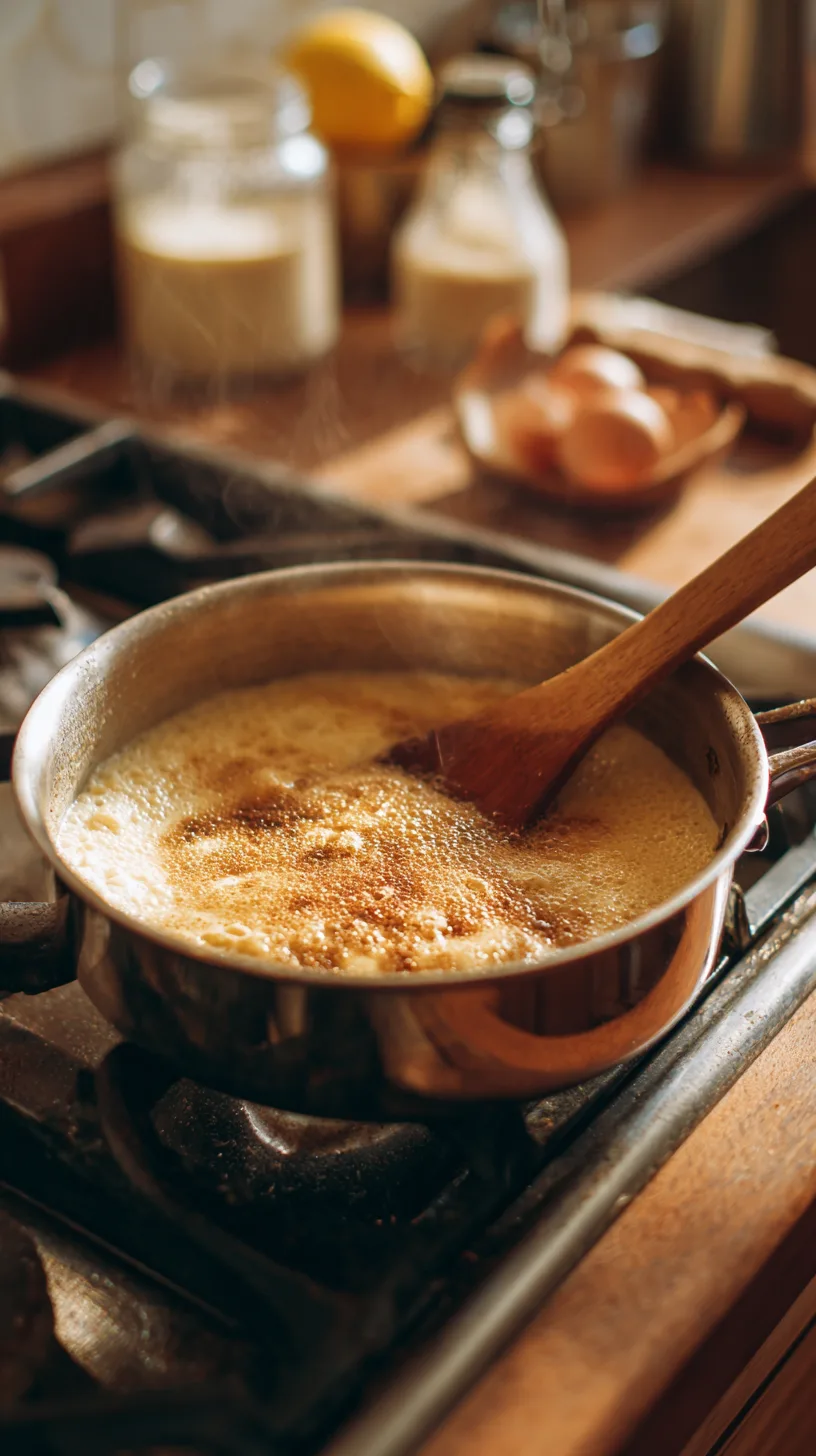
Back to the pot. Add 2 more tablespoons of butter, about a cup of warm milk, then pour in that browned butter – don’t leave the solids behind.
Use a ricer if you want it restaurant-smooth, blender if you want velvet, or just mash it by hand for something more rustic. Either way works. Stir in juice from half a lemon, quarter teaspoon of nutmeg, half teaspoon of salt, some pepper.
Too thick? Add a little cooking liquid or more milk. You want it to move off a spoon easily but not run.
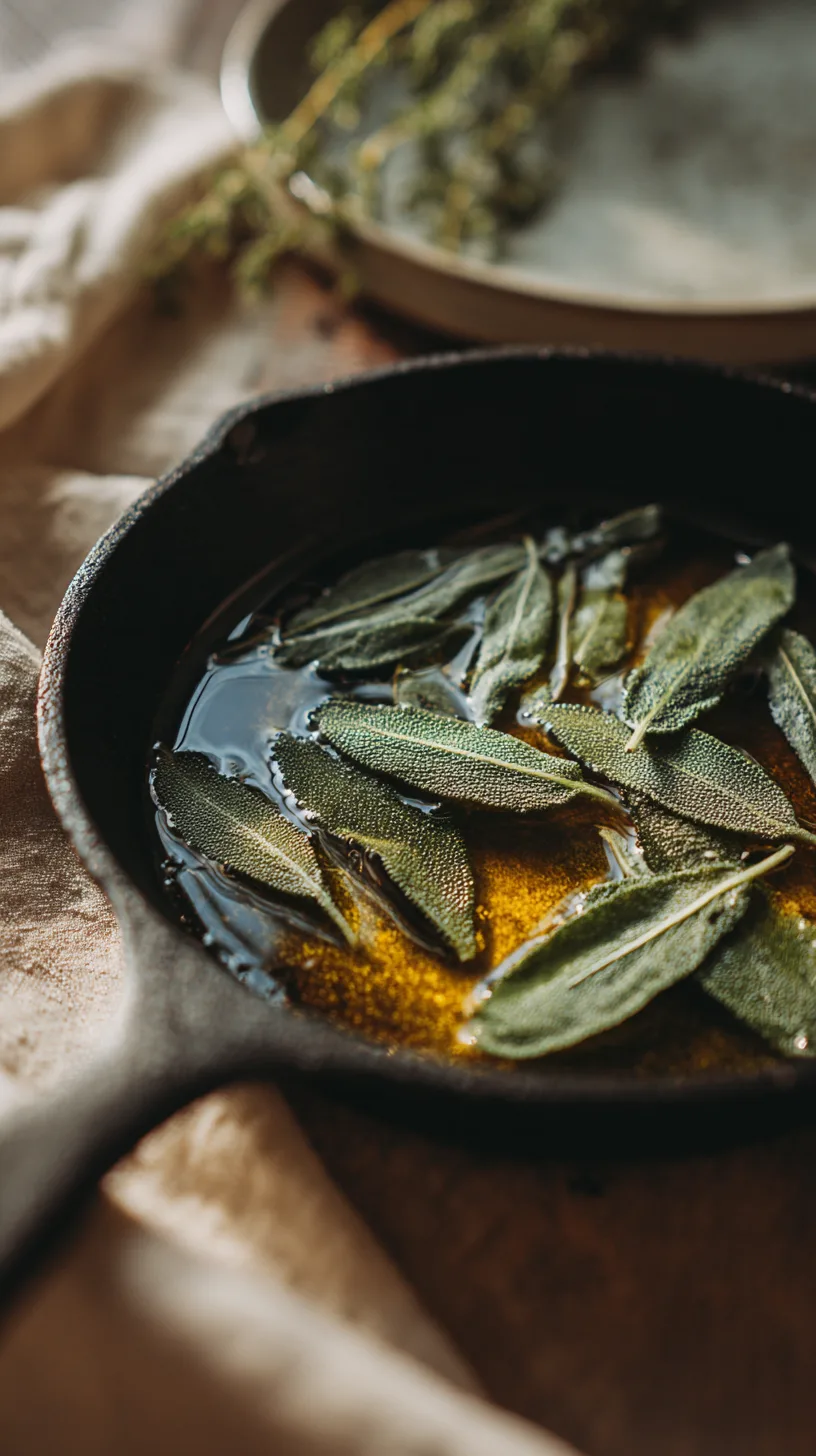
For the sage, use the same pan. Add a bit of olive oil or more butter, turn the heat up to medium-high. Drop in fresh sage leaves for 20 to 30 seconds per side. They’ll crisp up and smell incredible. Drain them on a paper towel.
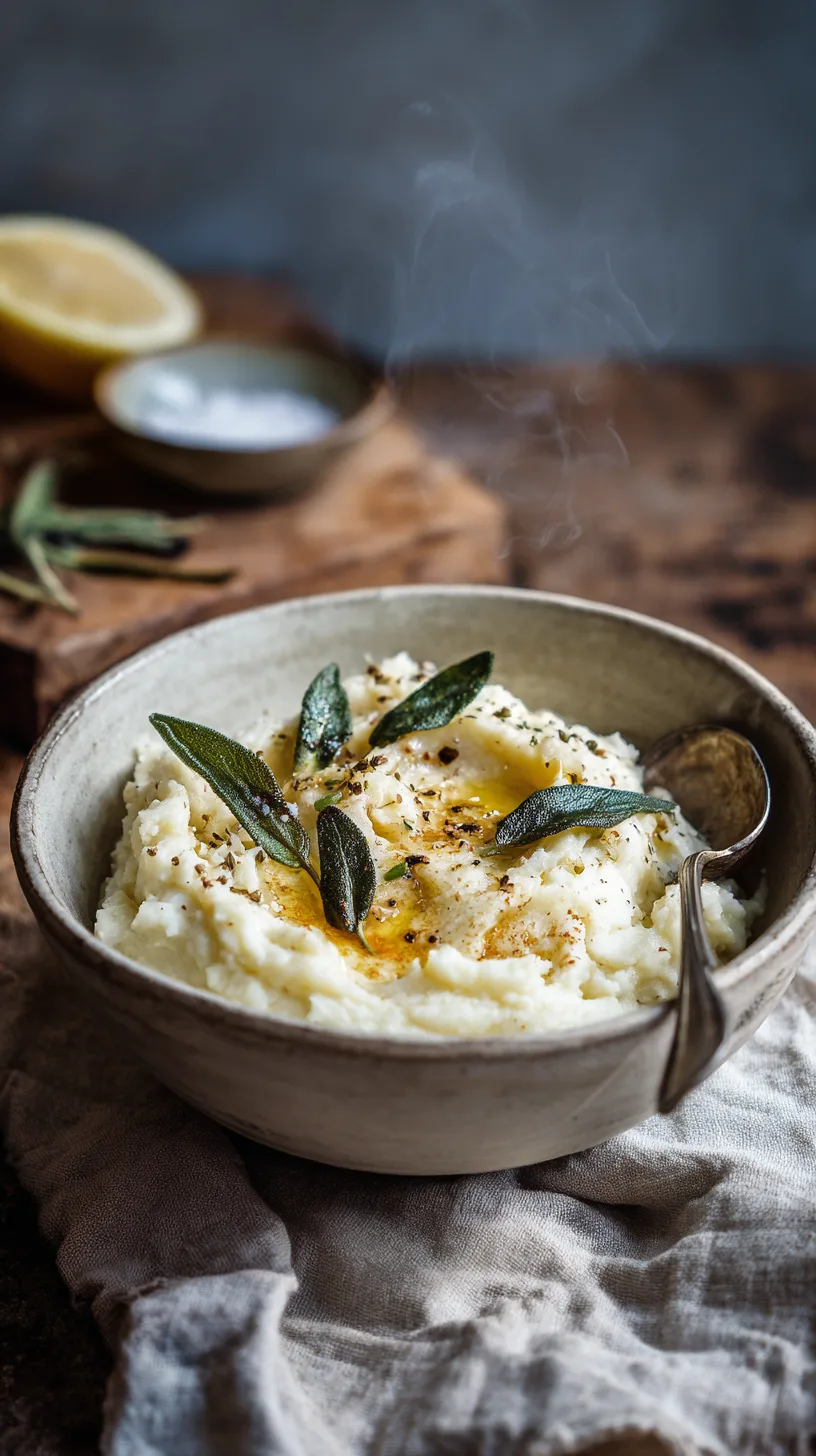
Spoon the mash into a bowl. Scatter sage on top. Chives too if you want.
Scaling This Up or Down
Six people? Easy. But I’ve catered events for over a hundred, and things get different. I’ll double the celery root, sometimes skip the potato entirely even though half the room will notice. Keep it in a steam-table insert on gentle heat after it’s done. Not boiling. Just warm enough to stay creamy. I keep extra milk and butter nearby because people always want more.
Leftovers are fine. Let them cool, cover, refrigerate. To reheat in a restaurant, we’d put it in a 325-degree oven covered with foil, stir every ten minutes, add milk to loosen it up. At home just warm it on the stove with a little milk stirred in.
What’s In This
Yeah, it’s got butter. Real butter.
But you’re also eating vegetables – celery root has fiber, subtle sweetness, less starch than potatoes.
The brown butter is rich.
That’s the point.
You’re not making this every night. You’re making it once and making it count.
When I’m cooking coastal menus, a citrusy starter like these marinated olives with citrus tees up the brown-butter mash with a bright, Santa Cruz-style opener.
Swapping Ingredients
Need it dairy-free?
I’ve done vegan weddings. Use plant-based butter and almond or oat milk.
You lose a little of the nutty butter thing, but the texture stays smooth.
Can’t find celery root?
Use all Yukon Gold or half potato, half celery root.
You’ll lose some of that earthy flavor though. I tried parsnip once instead of potato. Tasted okay. Just too sweet for what I wanted here.
Random Things I’ve Learned
I worked at Coastanoa in Pescadero, California for a while, getting produce from local farms.
One November we got this incredible batch of celery root from Watsonville, fresh, heavy, smelled like good dirt.
I used this as a side and knocked it out of the park. People were there for a coastal farm to fork experience. For wine, something crisp from Santa Cruz Mountains or a light Pinot from Russian River. Doesn’t fight with the butter. Pairs well with grilled halibut, braised pork, prime rib. This mash works with a lot of things.
If you’re swapping out mashed potatoes for a holiday roast, this mash is a natural match for prime rib with horseradish cream, where the nutty butter and sharp horseradish hit perfect contrast.
Celery Root Mash With Brown Butter Recipe
Print
Celery Root Mash With Browned Butter and Crispy Sage
- Prep Time: 20 minutes
- Cook Time: 35 minutes
- Total Time: 55 minutes
- Yield: 6 servings 1x
- Category: Side Dish
- Method: Boiling
- Cuisine: American
Description
This rich, velvety celery root (celeriac) mash offers a refined twist on classic mashed root vegetables. The nutty depth of browned butter is complemented by a splash of lemon for brightness, and topped with crispy sage leaves for texture and aromatic flair. The optional use of dry-milk powder during browning intensifies the buttery-nut aroma, making this version stand out from typical recipes.
Equipment:
- Heavy-bottom medium saucepan
- Fine mesh strainer or colander
- Potato ricer or food mill (optional) or handheld masher
- Large mixing bowl
- Small skillet for browning butter and crisping sage
- Wooden spoon or silicone spatula
- Measuring cups and spoons
- Peeler
- Chef’s knife
- Cutting board
- Serving bowl
Ingredients
- 2 pounds (about 900 g) celery root (celeriac), peeled and cut into 1 1/2-inch chunks
- 1/2 pound (about 225 g) Yukon Gold or other waxy potato, peeled and cut into 1 1/2-inch chunks (optional for slightly softer texture)
- 1 1/2 teaspoons kosher salt, divided
- 1 cup (240 ml) whole milk (or a blend of milk + cream for richer finish)
- 4 tablespoons (60 g) unsalted butter, divided
- 1 tablespoon dry milk powder (optional — see Notes)
- Juice of 1/2 lemon (about 1–2 tablespoons)
- 1/4 teaspoon ground nutmeg
- Freshly ground white pepper or black pepper, to taste
- 8–10 fresh sage leaves
- 1 teaspoon extra-virgin olive oil or 1 tablespoon butter (for crisping sage)
- Chopped chives, for garnish (optional)
Instructions
- Place the peeled and chunked celery root (and optional potato if using) into a medium saucepan. Cover with cold water by about 1 inch and add 1 teaspoon of the kosher salt. Bring to a gentle boil, then reduce heat to maintain a simmer. Cook until the pieces are fork-tender (about 15-20 minutes).
- While the vegetables cook, warm the milk in a small saucepan until just below simmering; keep warm.
- Once the vegetables are tender, drain through a fine mesh strainer, then return to the saucepan. Set the pan over very low heat for 1-2 minutes to allow excess moisture to evaporate (“steam-dry” step). This helps avoid a watery mash.
- Meanwhile, in a small skillet, melt 2 tablespoons of the butter over medium heat. If using the dry milk powder, sprinkle the tablespoon of powder into the butter as it melts. The butter will foam then begin to brown around the edges — swirl the pan, watching for golden-brown flecks and a nutty aroma (about 3-4 minutes). Remove from heat. Set aside.
- In the saucepan with the drained vegetables, add 2 tablespoons remaining butter, the warm milk, and the browned butter mixture (including the browned solids). Use a potato ricer or food mill for a very smooth purée; if you prefer a more rustic texture, a handheld masher works fine. Blend until silky. Add lemon juice, nutmeg, the remaining ½ teaspoon salt, and pepper to taste. If the mash seems thick, stir in a few tablespoons of reserved cooking liquid or additional warm milk.
- In the same skillet used for browning butter, add the olive oil (or 1 tablespoon butter) and the fresh sage leaves. Turn the heat to medium-high and fry the sage leaves until crisp and fragrant (about 20-30 seconds per side). Remove and drain on paper towels.
- Transfer the mash to a warm serving bowl. Sprinkle the crispy sage leaves on top and optionally scatter chopped chives for color and mild onion-freshness. Serve hot.
Notes
- The optional dry milk powder in the browned butter trick is a subtle but meaningful upgrade: it enhances the browning process by adding extra milk solids, giving the butter a richer nutty aroma and deeper colour without altering the texture of the mash. This is what makes this version stand out from standard recipes.
- If you choose not to use the potato, you’ll have an all-celeriac mash which is slightly firmer and more herbal in flavour. If using potato, the texture is a bit softer and more familiar.
- For a dairy-free version, substitute the butter with a plant-based butter and warm unsweetened almond or oat milk instead of cow’s milk — the brown butter flavour will still carry the dish.
- Leftovers keep very well: cover and refrigerate up to 3 days. To reheat, warm gently over low heat, stirring in a splash of milk or cooking liquid to refresh the texture.
- Garnishing with crispy sage adds texture contrast, visual appeal, and an aromatic element that lifts the simplicity of the mash. The lemon juice brightens the overall dish so it doesn’t sit overly heavy.
- Keywords to keep in mind when someone is searching: “celery root mash,” “celeriac purée,” “brown butter,” “crispy sage,” “nutmeg,” “milk-powder brown butter trick.”
Make-Ahead & Reheating Tips:
You can complete steps 1-3 up to draining and drying the cooked vegetables ahead of time (1 day ahead). Keep covered in the refrigerator. When ready to serve: rewarm the milk, brown the butter and crisp the sage, then continue from step 5 through to serving. Reheating the mash should be done gently on the stovetop or in a warm oven (about 325°F/160°C) in a covered dish, stirring occasionally and adding a little milk or cooking liquid to maintain creaminess.
Nutrition
- Serving Size: 1 serving
- Calories: 180 kcal
Questions On Celery Root Mash
Yeah, but it gets weird. Freeze it before adding sage. Thaw it, reheat, add fresh butter and sage then.
Yes, if your butter and milk are pure.
Do everything up to draining and drying. Refrigerate. Reheat and finish later.
Hand mash it. Ricer makes it smoother, but rustic is fine.
Sure, use chives. Sage adds a lot though.
Go for it. Firmer texture, more distinct flavor.
Teaspoon in the water, half teaspoon in the mash. Taste it. Add more if you need to.
Switching between grams and cups on the fly? Use our clean conversion cheat sheet: grams-to-cups so your mash stays consistent every time.
Bring this to your next thing. Watch what happens when that butter smell hits the room. Someone will ask what it is. Just tell them you made it. Then watch the bowl empty and grab the last bite for yourself when nobody’s looking.
The Final Bite
This celery root mash taught me something over the years, sometimes the side dish matters more than the main.
I’ve been sharing recipes like this one, along with kitchen stories and techniques that actually work, over at the Simply Delicious Newsletter.
It’s where I talk about what’s working in my kitchen right now.
No fluff, just food that’s worth your time. If you liked this one, you’ll probably like what’s coming next week.
Ryan Yates is an executive chef with over 20 years of experience in commercial kitchens along the California coast.
Disclosure: Every recipe here is developed and tested by Ryan Yates, a Le Cordon Bleu-trained chef with more than 20 years in professional kitchens. Editorial tools help with formatting and structure. This post may contain affiliate links — if you buy through one we may earn a small commission, at no extra cost to you.