Baba Ganoush That Tastes Like Summer Nights in Santa Cruz
When Eggplant Saves the Day
You’ve probably been there. Guests show up. You’ve got nothing but some vegetables you half-forgot about in the drawer. Carrots are bent, celery looks limp. Not exactly party food.
Eggplant is the one thing I’ve learned never to underestimate. Looks ordinary. Heavy, sometimes scarred. But give it heat, let it collapse into itself, and you’ve suddenly got the centerpiece dip people can’t stop eating.
Back when I first ran baba ganoush through the UCSC dining menu, I figured it would flop. Students didn’t know what it was. They were hummus fans. Yet the first time we put it out, it vanished before the trays of pita even made it down the line. Someone licked the bowl clean – literally. That told me all I needed to know.
So if you’re curious about making baba ganoush at home, it’s worth it. One eggplant, one flame, and you’re halfway there.
Craving more eggplant magic after this dip? Try my crispy-cheesy comfort classic next: Eggplant Parmesan.
The Ingredient Story

Let’s break down what actually goes in this dip. Each ingredient has a job, and if you swap or skip, the whole thing shifts.
Eggplant. Smaller globes tend to have fewer seeds, so they’re less bitter. I grab mine at the Saturday market in downtown Santa Cruz, where graffiti and Italian varieties pop up in late summer. They all work, but globe gives that classic body.
Tahini. Sesame paste is what makes baba ganoush creamy. Some jars taste harsh – usually cheaper brands. Look for tahini that smells nutty and smooth, not bitter. Soom and Alwadi are good bets if you order online.
Lemon. Bottled juice? Don’t do it. Freshly squeezed is brighter, sharper, and lifts everything. Without it, the dip falls flat.
Garlic. You need restraint here. Raw garlic can overwhelm. I usually grate one clove fine, or roast it if I want a gentler flavor.
Olive oil. Good extra virgin ties it all together. I like local oils from Paso Robles – grassy and buttery – but any real extra virgin works.
Parsley and pine nuts. Not required, but they make the dish look alive. Toasted pine nuts add crunch. Parsley adds color and a little fresh bite.
Spices. A pinch of cumin grounds it. Smoked paprika or Aleppo pepper on top gives a smoky red halo. Those aren’t traditional everywhere, but they work.
Curious how spices steer flavor here? My quick guide breaks it down simply: Culinary Spices 101.
Cooking It the Chef’s Way

Here’s the part most home cooks overthink. You don’t need fancy equipment. What you do need is patience and fire.
Start by charring the eggplants. Gas burner, charcoal grill, or broiler. Doesn’t matter. The goal is blackened skins. If they look ruined, you’re on track. I brush them with a slick of olive oil before they hit the flame. That helps blister the skin and sneaks flavor into the flesh.
Once the skins are dark and wrinkled, slide the eggplants into the oven. About 20–25 minutes at 425°F makes sure the centers go pudding-soft. If you stop early, you’ll have strings instead of silk.
Here’s a trick – cover the hot eggplants with a lid or foil for ten minutes after roasting. They steam themselves, and the skins peel off like old wallpaper.
Now comes the draining. Don’t skip this. Scoop the flesh into a strainer, sprinkle with a little salt, and wait twenty minutes. Eggplant carries more water than you expect. Drain it or end up with dip that runs across the plate.
Mash with a fork. Resist the blender unless you’re after hummus-smooth dip. I like baba ganoush with some body. You should still feel the vegetable in it.
Stir in tahini, lemon, garlic, and olive oil. Taste. Add salt if it needs it, lemon if it’s dull, maybe a pinch of cumin if you want warmth. Let it rest in the fridge for half an hour. Flavors settle. The dip thickens. It’s worth the wait.
If you want even better char and heat control, read my step-by-step on oven and grill technique: Roasting Techniques.
The Little Mistakes People Make
Someone will tell me, “Mine turned out watery.” That’s the drain step. Salt, strain, patience.
Others complain about harshness. That’s the garlic. Try roasting it or just use half a clove.
Flat flavor? Add more lemon or salt. Eggplant is mild and needs a push.
Too bitter? Might be the tahini. Switch brands and you’ll notice the difference.
For backyard smoky flavor with fewer flare-ups, these notes will help: Charcoal Grill Cooking Tips.
Feeding One, Feeding Many
For a family dinner, a single batch works fine. For a backyard party, double or triple it. Spread it in a shallow platter so people see the olive oil pooling in the ridges. Garnish heavy.
Catering is trickier but doable. I’ve made full sheet pans of baba ganoush for events. The key is pressing plastic wrap directly against the surface so air doesn’t turn it brown.
Leftovers? They hold four days in the fridge. I think they taste better on day two, when the flavors mellow and marry.
Not sure which strainer or tool to use here? Peek at this simple gear explainer: Names of Cooking Equipment.
Nutrition Without the Lecture
I’m not a dietician, but here’s what I know. Eggplant is light. Tahini and olive oil add fat, but it’s the kind your body doesn’t hate. One serving lands around 160 calories. That’s less than ranch dip or queso, and it actually makes you feel full because of the fiber.
So yeah, it’s rich. But it’s the good kind of rich.
Prefer ultra-silky dip sometimes? Here’s the blender I trust for smooth purées: Vitamix Ascent X4.
Swaps and Substitutes
Pine nuts too pricey? Toast some walnuts or almonds. They give crunch without the cost.
No parsley? Cilantro brings a bright edge, though it shifts the flavor. Mint is refreshing too.
No tahini? Unsweetened cashew butter works. The flavor is different, but the creaminess is still there.
Want extra smoke? Stir in a pinch of smoked paprika. Some chefs even use a drop of liquid smoke, though I stick to the real thing.
Want fewer missteps on saucey dips like this? Start here: How To Read A Recipe Like A Pro.
California Notes From a Coastal Chef
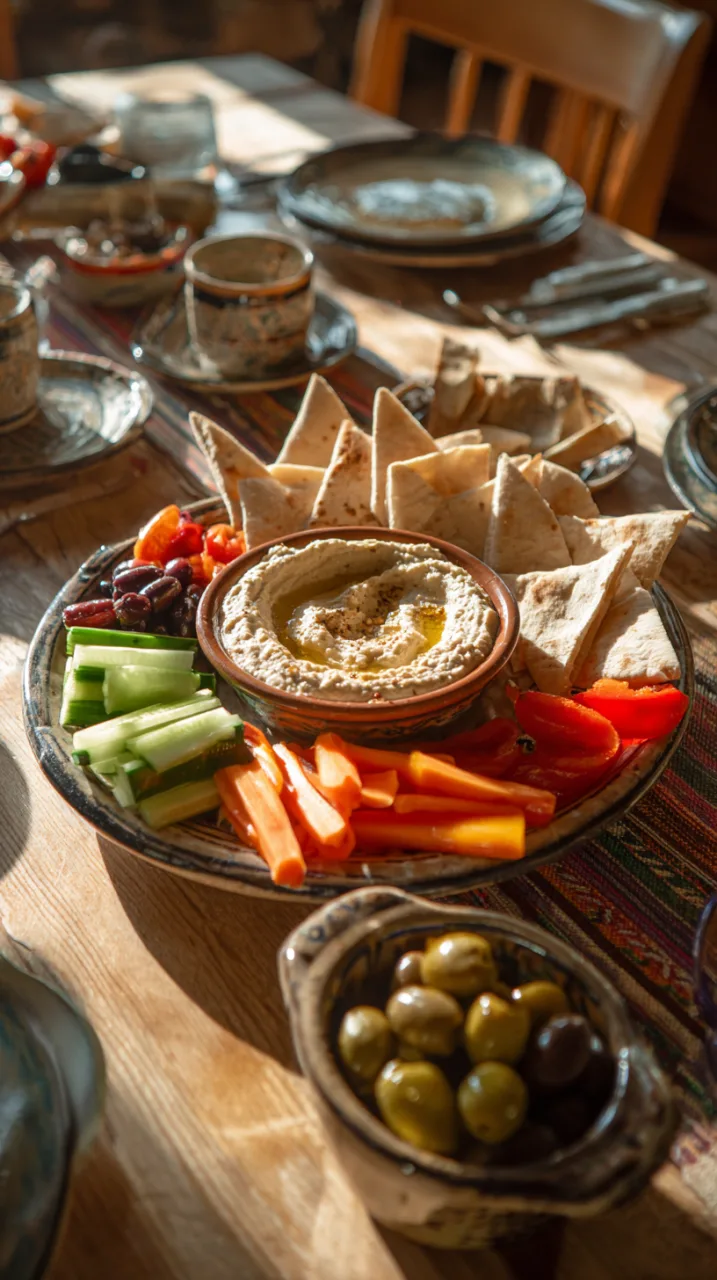
Late summer is the sweet spot. That’s when eggplants stack up on the tables at the farmers’ market in Santa Cruz. Pair the dip with a crisp Chardonnay from the Santa Lucia Highlands, and you’ll see why locals swear by the combo.
If you want to make it more of a meal, set out a mezze spread. Hummus, olives from Watsonville, roasted peppers, maybe some grilled fish from Real Good Fish down in Moss Landing. Baba ganoush ties it together.
Plating tip: shallow bowl, back of a spoon to make ridges, a generous drizzle of good olive oil. The way it pools in the valleys looks gorgeous. Sprinkle parsley and pine nuts at the end, like confetti.
Doubling for a party? This quick reference keeps the ratios right: How To Double A Recipe.
Smokey Baba Ganoush Recipe
Print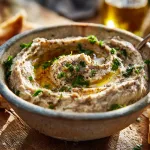
Baba Ganoush Recipe
- Prep Time: 15 minutes
- (draining and cooling): 30 minutes
- Cook Time: 35 minutes
- Total Time: 1 hour 20 minutes
- Yield: About 6 servings 1x
- Category: Appetizer, Side Dish, Snack
- Method: Roasting and Fire Charring
- Cuisine: Middle Eastern, Mediterranean
Description
A smoky, creamy eggplant dip from the Mediterranean kitchen. This baba ganoush recipe balances roasted eggplant with tahini, lemon, garlic, and olive oil. It’s rustic yet silky, perfect for mezze platters, veggie dipping, or spreading on warm pita. The method gives you deep smoky flavor without bitterness and ensures the dip stays thick, not watery.
Equipment:
- Gas burner or outdoor grill
- Baking sheet
- Fine mesh strainer or colander
- Mixing bowl
- Fork or masher
- Knife and cutting board
Ingredients
- 2 medium globe eggplants (about 2 pounds total)
- 1/4 cup tahini (well-stirred)
- 2 tablespoons freshly squeezed lemon juice (plus more to taste)
- 1 garlic clove, finely grated or minced
- 2 tablespoons extra-virgin olive oil, plus more for garnish
- 3/4 teaspoon kosher salt, divided
- 1/4 teaspoon ground cumin (optional)
- 1/8 teaspoon smoked paprika or Aleppo pepper (optional, for garnish)
- 1 tablespoon chopped fresh parsley (for garnish)
- 1 tablespoon toasted pine nuts (optional garnish)
Instructions
- Preheat your oven to 425°F.
- Prick the eggplants all over with a fork. Place them directly over a gas burner or on a hot grill. Char the skins until blackened and blistered, turning occasionally, about 8–10 minutes.
- Transfer the charred eggplants to a baking sheet and roast in the oven for 20–25 minutes, until the flesh is completely soft and collapsing.
- Place the hot eggplants in a bowl and cover with foil or a lid for 10 minutes. This steams the flesh and makes it easier to peel.
- Once cool enough to handle, peel away the skins and discard. Roughly chop the flesh.
- Place the eggplant flesh in a fine mesh strainer set over a bowl. Sprinkle lightly with 1/4 teaspoon kosher salt and let it drain for 20–30 minutes. This pulls out extra water and concentrates the flavor.
- Transfer the drained eggplant to a mixing bowl. Mash with a fork until mostly smooth but still slightly rustic.
- Add the tahini, lemon juice, garlic, remaining 1/2 teaspoon salt, cumin (if using), and olive oil. Mix gently until well blended. Taste and adjust seasoning with more lemon or salt if needed.
- Chill the baba ganoush for 20–30 minutes to let flavors meld.
- To serve, spoon into a shallow bowl. Swirl the top with the back of a spoon, drizzle with olive oil, sprinkle with smoked paprika or Aleppo pepper, and finish with parsley and pine nuts if desired. Serve with pita or crisp vegetables.
Notes
This recipe uses a short resting step with a pinch of salt before draining the eggplant flesh. That simple trick pulls out extra moisture and ensures the dip has a rich, thick body instead of turning watery on the table. It also enhances the eggplant’s natural sweetness, making the final baba ganoush taste more balanced and less bitter. It’s a small step, but it sets this recipe apart from many others.
Serving Suggestions:
• Spread on pita or naan.
• Scoop with raw cucumber, carrots, or bell pepper.
• Pair with hummus and tabbouleh on a mezze platter.
Storage:
Keep in an airtight container in the fridge up to 4 days. The flavor often improves on the second day. Stir gently before serving.
Make Ahead:
Roast and drain the eggplant a day ahead. Store the flesh covered in the fridge, then finish mixing before serving.
Seven Quick FAQs
Can I skip the grill? Sure. Use the oven broiler and rotate until the skins blacken.
Do I peel the eggplant? Yes. The skins turn bitter. Scoop or peel until you’ve just got flesh.
How do I get more smoke? Char longer or add a pinch of smoked paprika.
Is it vegan? 100 percent. Always has been.
How long does it keep? Four days, sealed in the fridge.
Can I freeze it? Freeze the roasted eggplant flesh, not the dip. Mix fresh when you thaw.
What do I serve with it? Pita if you’ve got it. Raw vegetables work. I’ve even seen people scoop it with tortilla chips.
Cooking plant-forward more often? My glossary keeps terms clear and friendly: Vegan Recipe Terms.
The Final Bite
Eggplant doesn’t show off at the market. It just sits there, heavy and purple. But with a little fire, it changes. That’s the lesson baba ganoush teaches every time I make it.
If you haven’t tried making it at home, do it soon. One eggplant, one flame, a little tahini – and you’ve got a dip that feels alive on the table.
Disclosure: Every recipe here is developed and tested by Ryan Yates, a Le Cordon Bleu-trained chef with more than 20 years in professional kitchens. Editorial tools help with formatting and structure. This post may contain affiliate links — if you buy through one we may earn a small commission, at no extra cost to you.